
 English
 Deutsch
 Español
 Français
Solar Shower 30L vs 20L 40L 50L Capacity Selection Guide
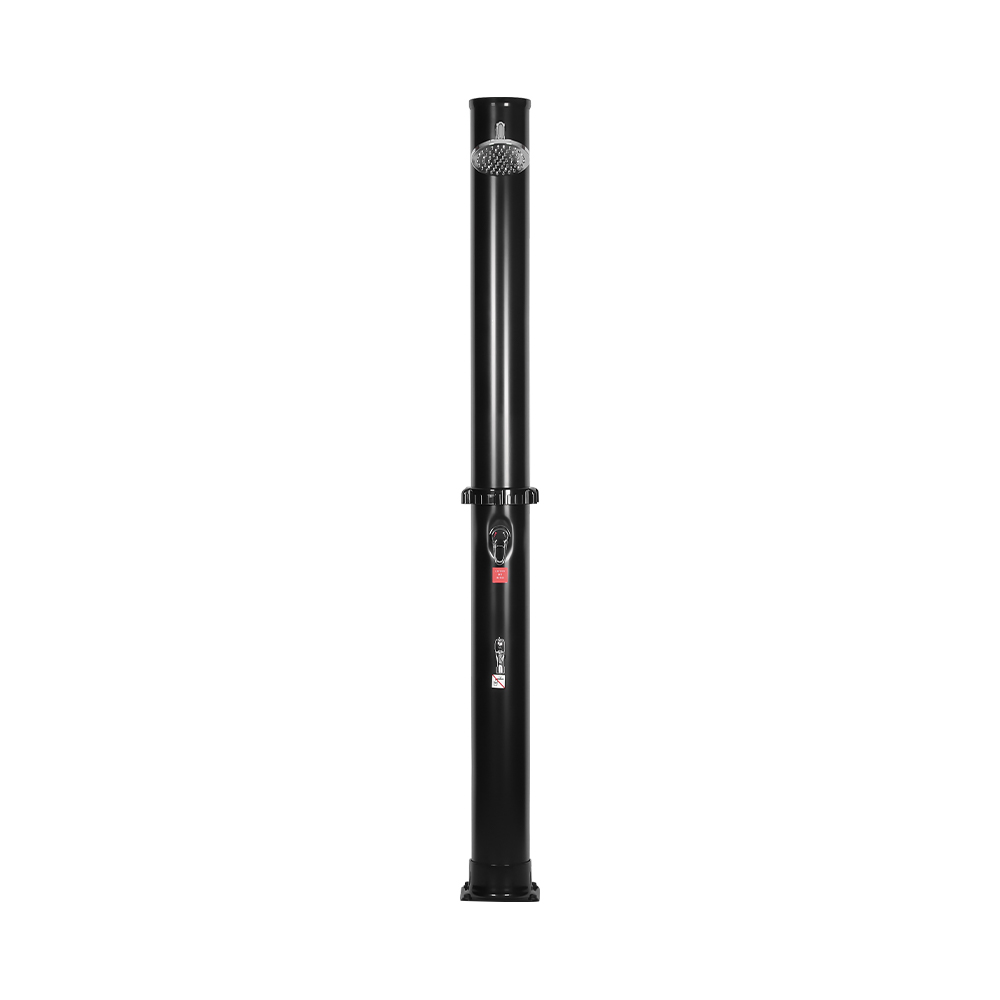
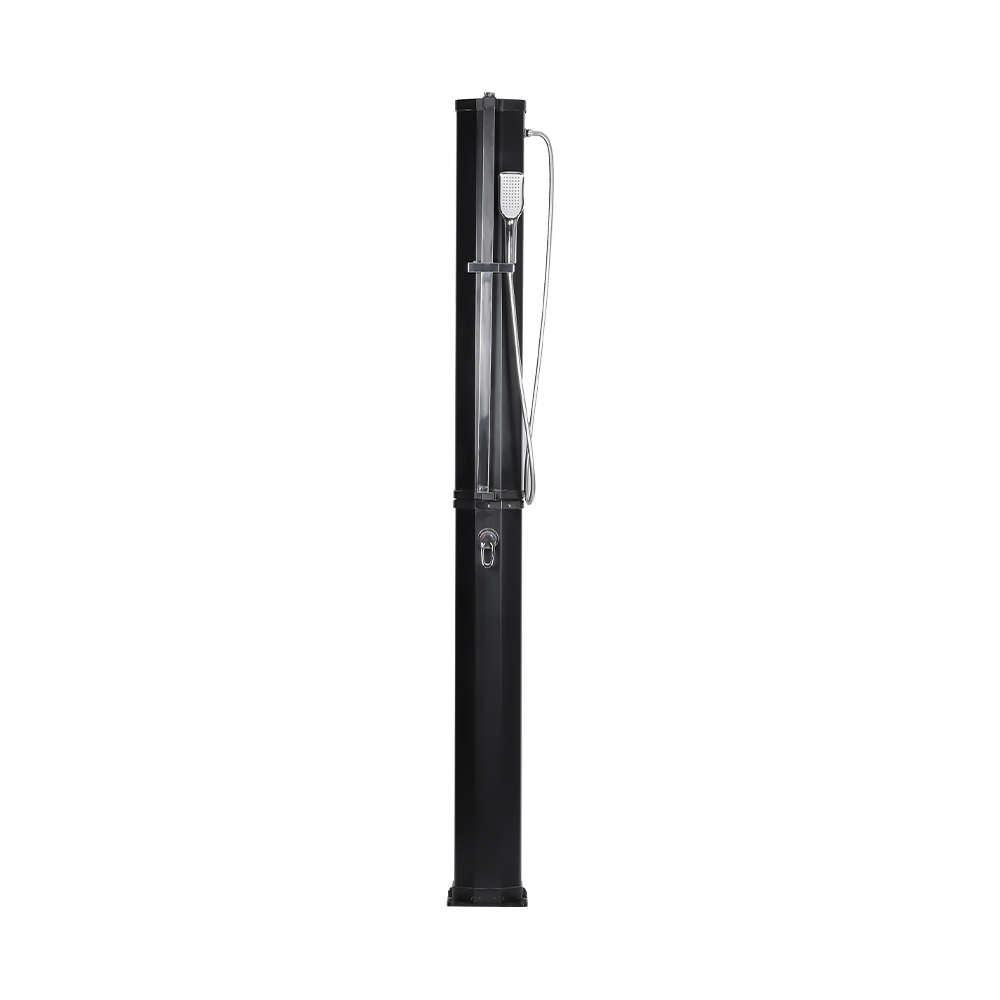
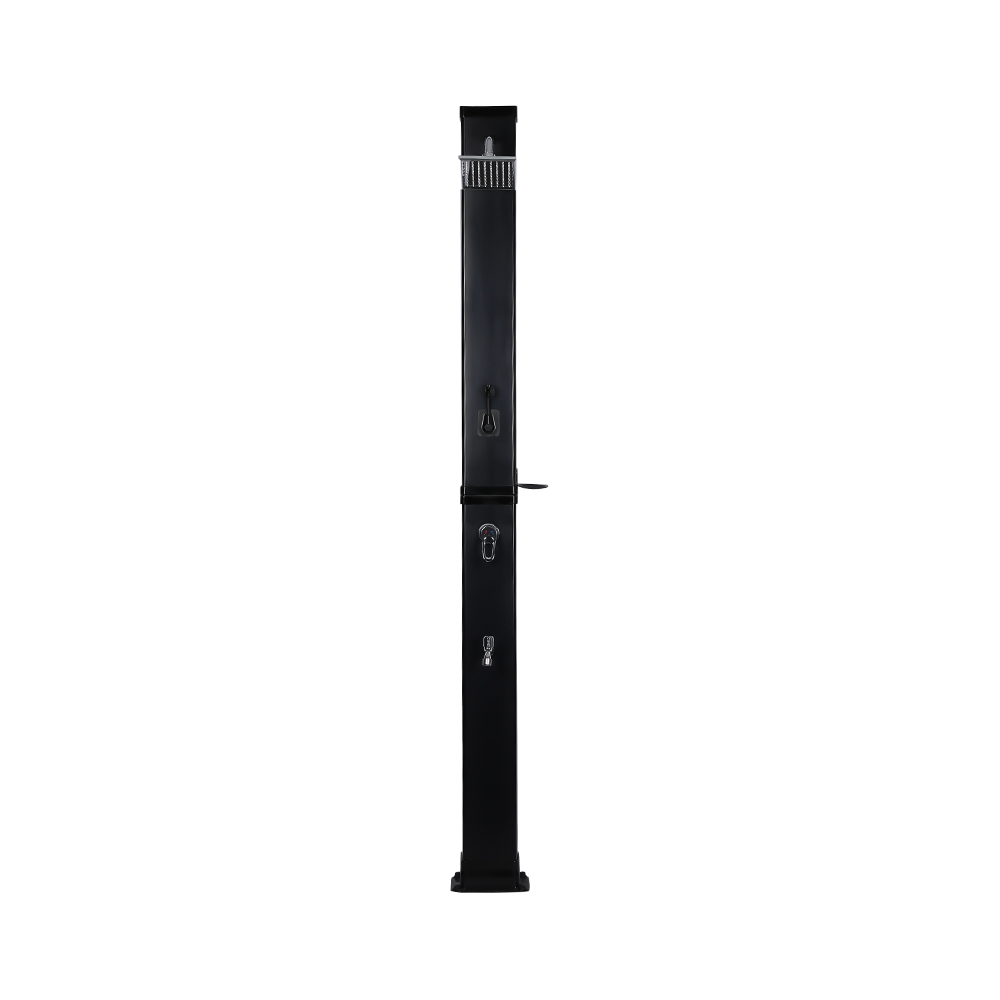
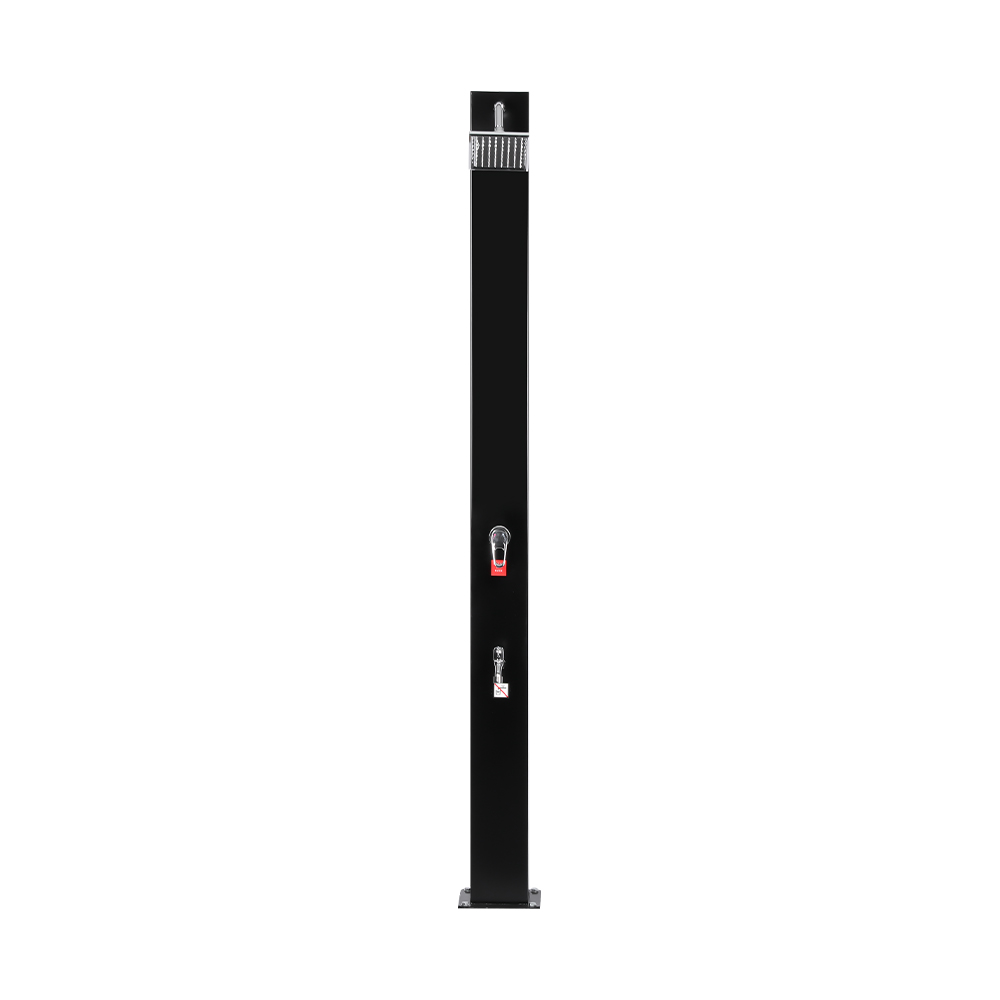
When selecting a Solar Shower, tank capacity is a key factor affecting user experience. The 30L Solar Shower as the market mainstream choice requires comprehensive comparison with different capacities of 20L, 40L, and 50L to help users make optimal decisions based on actual family needs.
20L Solar Shower Features and Application Scenarios
The 20L Solar Shower represents the smallest home-use option, primarily suitable for single individuals or couples in small households. This capacity offers advantages including minimal space occupation, flexible installation, and lightweight design, particularly ideal for rooftops with limited surface area or outdoor camping use. 20L achieves fastest heating speed, typically reaching 45°C or higher within 3-4 hours during summer, with lowest cost pricing. However, disadvantages are evident—insufficient capacity limits shower time, poor multi-user experience, significantly reduced winter heating efficiency, and inability to meet household daily water demands.
30L Solar Shower Balance Advantages
The 30L Solar Shower occupies the optimal market balance point. Capacity increases 50% compared to 20L, sufficiently meeting daily bathing needs for 3-4 person families. Three adults can use sequentially, each receiving approximately 10L hot water. Importantly, 30L design achieves ideal balance between volume and roof load capacity—neither excessively burdening the roof structure nor limiting summer hot water supply. Heating time remains controlled at 5-6 hours, offering optimal value for money. 30L performs consistently across different climate conditions, with acceptable heating efficiency during spring and autumn seasons, and modest winter performance still providing basic hot water supply. Price points remain reasonable without excessive investment, and maintenance costs are lowest.
40L Solar Shower Performance Characteristics
The 40L Solar Shower increases capacity by 33%, suitable for 4-5 person medium-sized families. Advantages include more abundant hot water supply, eliminating family member waiting for showers, and supporting continuous water-use scenarios. 40L heating time requires approximately 7-8 hours, and under sufficient sunlight conditions, can provide comfortable temperature and adequate hot water for the entire family. However, the cost becomes significant—full water weight reaches approximately 40kg, requiring higher roof structure standards and limiting installation location choices. 40L heating efficiency decreases slightly compared to 30L since larger capacity results in smaller temperature increase per unit time. Winter performance is poor, requiring extended time to reach satisfactory temperatures.
50L Solar Shower Large Capacity Solution
The 50L Solar Shower represents the large capacity option, suitable for households with 5+ people or users with high hot water demand. 50-liter design supports two people bathing simultaneously or prolonged continuous water use. However, serious problems emerge—full water weight reaches 50kg, creating substantial roof stress requiring professional installation and roof reinforcement. Heating time becomes longest, requiring approximately 8-10 hours to reach ideal temperature with noticeably reduced efficiency. In northern winter conditions, achieving practical temperatures becomes nearly impossible. High initial cost, complex maintenance, and substantial space occupation make application scope extremely limited.
Key Considerations for Capacity Selection
Selecting appropriate Solar Shower capacity requires comprehensive consideration of family member count, roof area and bearing capacity, geographic location and climate characteristics, daily water-use habits, and budget constraints. Family member count forms the foundation—single persons select 20L, 2-4 persons select 30L, 4-5 persons select 40L, and only households with 5+ people should consider 50L. Roof conditions determine upper limits—many standard residential roofs cannot support 40L or larger weights.
30L versus 20L Comparative Analysis
Compared to 20L, the 30L Solar Shower offers 50% additional capacity while heating time increases only 1-2 hours. Price differences typically range from 15-25% with significantly improved value-for-money. 30L supports 2-3 person continuous use while 20L struggles to meet simultaneous two-person use requirements. Winter heat retention performance improves better—due to larger capacity, temperature decrease rate becomes relatively slower. Comprehensively analyzed, unless space is extremely limited, 20L practically lacks competitive advantage.
30L versus 40L Comparative Analysis
Upgrading from 30L to 40L increases capacity by 33%, but heating time increases 25-30% and weight increases 33%. For typical families not requiring multi-person simultaneous use, this upgrade offers limited value-for-money. 30L already meets basic requirements for 4-person families, with additional 10L capacity showing limited practical utilization. 40L roof installation difficulty increases significantly, with higher maintenance costs. Only households with sufficient budgets and genuinely requiring large capacity should consider selection.
30L versus 50L Comparative Analysis
50L practically cannot be considered a rational household choice. Compared to 30L, increased capacity of 67% results in lower heating efficiency, higher costs, installation difficulties, and worse winter performance. Only large villas, commercial applications, or extremely special-need users should consider 50L.
Regional Climate Capacity Selection Recommendations
Southern regions (abundant sunlight): 30L Solar Shower proves optimal, capable of meeting most family year-round requirements. 40L becomes optional in Guangdong, Fujian areas but offers limited value. Northern regions (cold winters): 30L represents practical limit, with smaller capacities proving non-functional during winter. 50L in northern climates offers virtually no practical value.
Installation and Practical Usage Considerations
30L weight reaches approximately 30kg, which standard residential roofs completely tolerate, offering flexible installation. 20L appears inadequate while 40L and larger require roof reinforcement. From installation perspective, 30L remains the most widely applicable choice, requiring no additional roof modification with minimal water piping alteration needs.
Economic Analysis Accounting
30L Solar Shower initial investment ranges between 1500-2500 yuan, with annual energy cost savings of 300-500 yuan. Investment recovery occurs within 5-7 years. Although 20L offers lower prices, limited usability prevents true hot water replacement functionality. 40L and larger prices increase dramatically with economic returns actually decreasing.
-
How Do You Maintain and Clean Your Solar Shower for Long-Term Use
Empty the Tank After Each Use Maintaining the cleanliness and functionality of your solar shower is ...
-
Comprehensive Guide to Solar Showers: From Portable Bags to Luxury Poolside Units
Introduction to Solar Showers What is a Solar Shower? A solar shower is an innovative and environmen...
-
How to Choose the Perfect 8L Solar Shower for Beach, Pool & Garden Use
Benefits of Using an 8L Solar Shower at the Beach 1. Convenience and Portability for Beachgoers An 8...
-
The Ultimate Guide to 18L Solar Showers: Reviews, Tips, and How-To
Introduction to 18L Solar Showers In recent years, 18L solar showers have become a must-have item fo...
No.27, Fengshan Road, Hangfu Town, Kecheng District, Quzhou City, Zhejiang Province, China
(+86)-17888203192
 Wholesale Outdoor Solar Shower Factory