
 English
 Deutsch
 Español
 Français
Here You Can Get Our Latest Information
Industry News
Solar Shower vs Traditional Electric Shower: How Do They Compare in Terms of Energy Efficiency
Solar showers have become a popular choice in recent years due to increasing environmental awareness. Compared to traditional electric showers, solar showers offer significant energy-saving advantages. This article will analyze the energy efficiency differences between solar showers and traditional electric showers from multiple perspectives, providing consumers with clearer insights into their choices.
Solar Shower Working Principle and Energy-Saving Features
The most notable feature of a solar shower is its use of solar energy to heat water. It uses solar radiation to heat the water to the desired temperature through solar collectors. Usually, a water tank is equipped with a solar water heater to store heated water for daily use. The core advantage of a solar shower is that it relies entirely on natural energy, solar energy, and does not depend on electricity or gas. From the perspective of energy consumption, solar showers are essentially free, and they do not produce greenhouse gases such as carbon dioxide.
Working Principle of Traditional Electric Showers
Traditional electric showers rely on electricity to heat the water. Electric water heaters heat the water in the tank using electric heating elements. In comparison to solar showers, electric heating is less efficient, as the energy conversion efficiency of electricity heating is limited. Additionally, electric showers continuously consume electricity to maintain the water temperature, resulting in high energy consumption and electricity bills, especially with long usage.
Energy-Saving Advantages of Solar Showers
The energy-saving benefits of solar showers are reflected in the following aspects:
- No electricity cost: Solar showers rely completely on solar energy and thus require almost no electricity. Even in areas with high electricity costs, solar showers save significantly on electricity bills.
- Low-carbon and eco-friendly: Solar heating does not emit carbon dioxide or other greenhouse gases, making it a green and environmentally friendly heating method. Compared to traditional electric showers, solar showers can effectively reduce carbon footprints.
- Reduces energy waste: Solar water heaters have high efficiency, and in sunny conditions, they can quickly heat water to the desired temperature. Electric showers require continuous energy consumption to maintain water temperature, leading to energy waste.
- Low maintenance cost: The maintenance cost of solar showers is relatively low, as they primarily rely on natural energy. Compared to traditional electric showers, solar showers have fewer components and require less frequent repairs or replacements.
Energy Consumption of Traditional Electric Showers
Traditional electric showers consume a lot of electricity, which leads to higher energy costs. Even though modern electric water heaters are more efficient, they still cannot avoid the issue of high energy consumption. Electric showers often need to run continuously to maintain the water temperature, resulting in significant energy consumption, which ultimately increases electricity costs and carbon emissions.
How to Choose an Energy-Efficient Shower System
When choosing an energy-efficient shower system, consumers should consider their specific needs, climate conditions, and budget. If you live in an area with plenty of sunlight, a solar shower is undoubtedly the best choice. It not only reduces energy consumption significantly but also provides environmental benefits. However, in regions with less sunlight or colder winters, traditional electric showers still offer advantages, as they do not rely on weather conditions and can provide consistent hot water at any time.
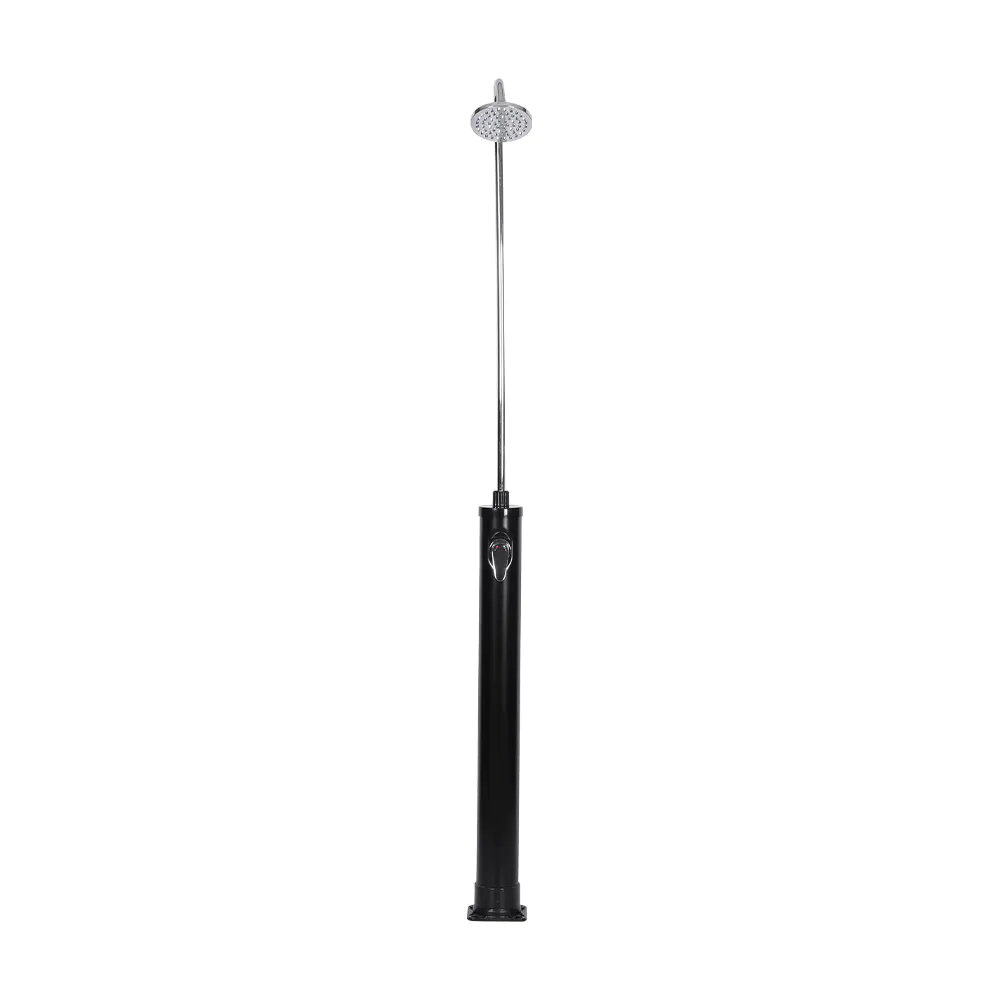
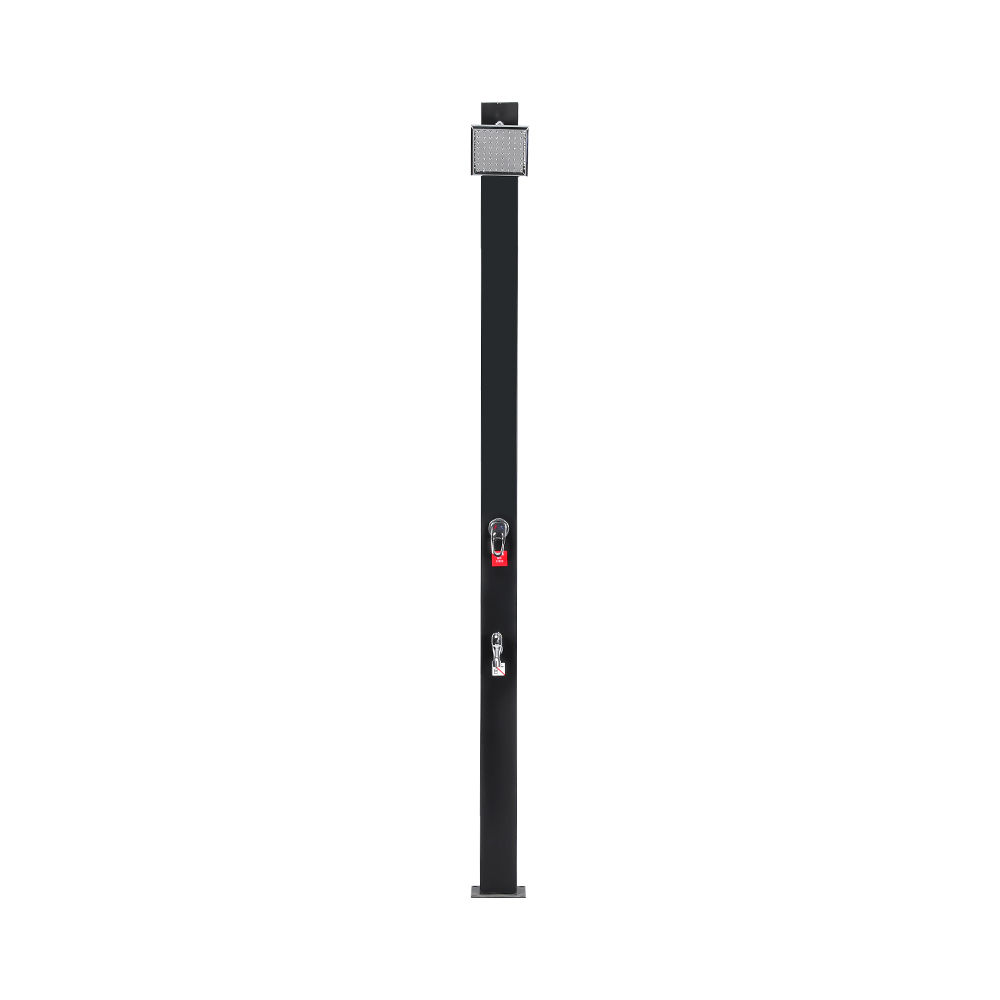
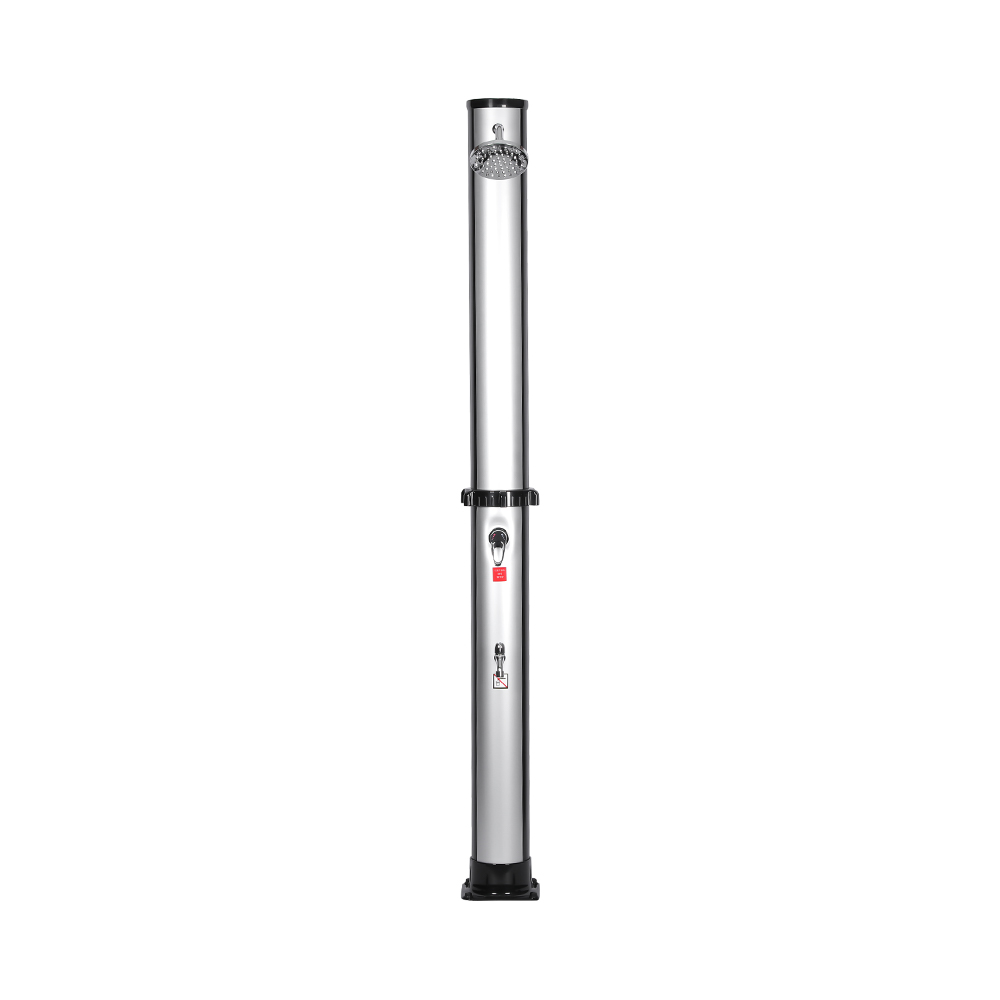
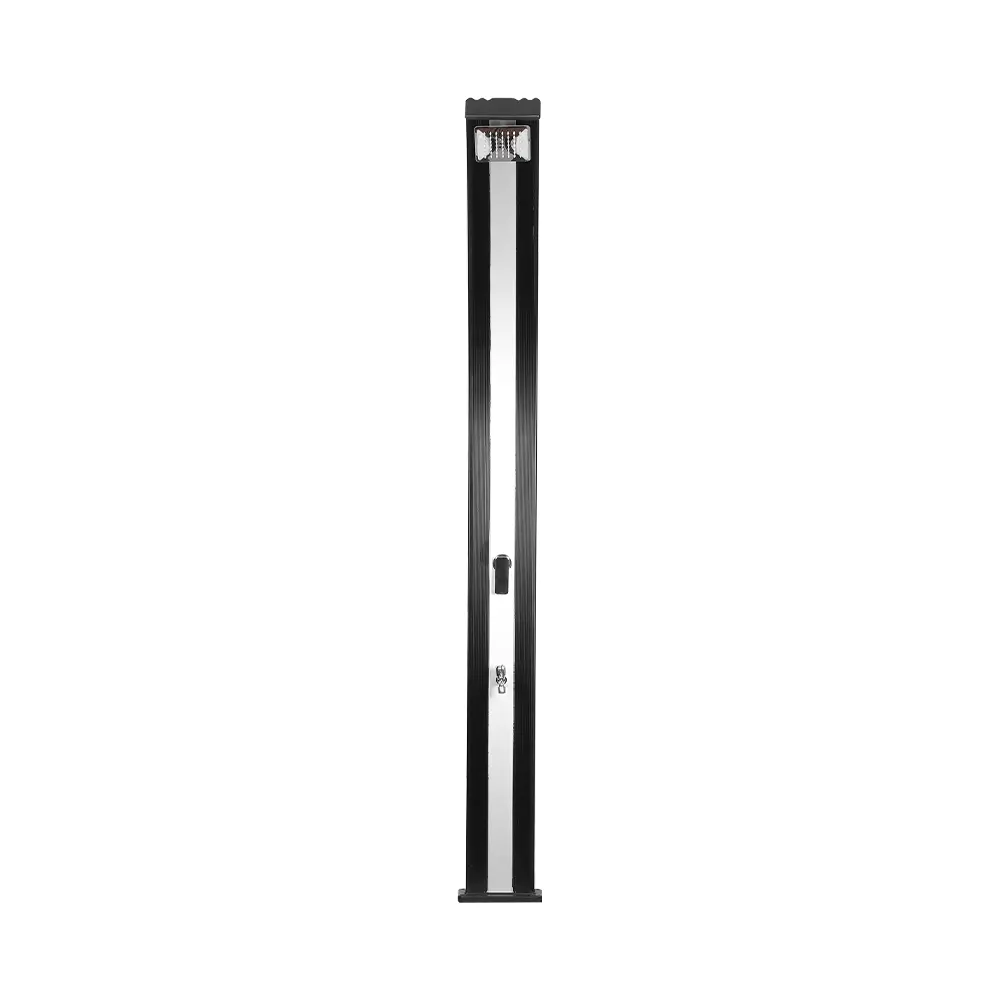
-
How Do You Maintain and Clean Your Solar Shower for Long-Term Use
Empty the Tank After Each Use Maintaining the cleanliness and functionality of your solar shower is ...
-
Comprehensive Guide to Solar Showers: From Portable Bags to Luxury Poolside Units
Introduction to Solar Showers What is a Solar Shower? A solar shower is an innovative and environmen...
-
How to Choose the Perfect 8L Solar Shower for Beach, Pool & Garden Use
Benefits of Using an 8L Solar Shower at the Beach 1. Convenience and Portability for Beachgoers An 8...
-
The Ultimate Guide to 18L Solar Showers: Reviews, Tips, and How-To
Introduction to 18L Solar Showers In recent years, 18L solar showers have become a must-have item fo...
No.27, Fengshan Road, Hangfu Town, Kecheng District, Quzhou City, Zhejiang Province, China
(+86)-17888203192
 Wholesale Outdoor Solar Shower Factory