
 English
 Deutsch
 Español
 Français
Here You Can Get Our Latest Information
Industry News
Do Solar Showers Actually Work? Real-World Facts & Complete Buying Guide
Short answer: yes, solar showers actually work — but how well they perform depends on the type of unit, the amount of direct sunlight, and the expectations you bring. A quality solar shower placed in full sun can deliver water at 40-55 °C within three to four hours. The same unit in shade or under heavy cloud will only produce lukewarm water. That simple difference in conditions explains most of the "do solar showers really work?" debate.
How Solar Showers Actually Heat Water
Every solar shower relies on the same physical rule: dark surfaces absorb solar radiation and convert it into heat. The black inner tank or absorption surface of a solar shower soaks up sunlight, and that heat transfers directly to the water inside. A transparent or translucent outer shell adds a greenhouse effect — sunlight enters through the outer layer, reheats the inner surface, and the trapped air slows heat loss. That is why a well-designed column can keep water warm for hours after the sun has shifted.
No electricity, gas, or pump is involved. Water flows from the elevated tank or bag to the showerhead by gravity, and you regulate the flow with a simple valve. This low-tech approach has been used at campsites, poolside homes, and coastal properties for decades precisely because it avoids complexity. Fewer moving parts means fewer breakdowns, and that is a real advantage when the unit sits outside year after year.
Key Factors That Determine Solar Shower Performance
Not all solar showers perform equally. Five variables do most of the work in deciding whether you step out comfortably warm or shivering cold.
| Factor | Typical effect | What you can do about it |
|---|---|---|
| Direct sunlight intensity | The single largest variable; full sun produces the highest temperatures | Place the unit where it gets unobstructed sun for at least four hours |
| Ambient air temperature | Warm air reduces heat loss; cool air pulls heat away from the tank | Use the shower in summer or in consistently warm climates |
| Water volume | Smaller volumes heat faster but run out quickly; larger volumes need more time | Match capacity to your real usage, not the biggest option available |
| Tank material and insulation | Rigid PVC with UV protection and a double-wall body retains heat far longer than thin film | Choose models built with commercial-grade materials and sealed seams |
| Exposure angle and surface | Flat bags heat mostly on the top; vertical columns heat from all sides | Tilt adjustable columns toward the sun; place bags on dark, non-reflective ground |
The table above is not theoretical. It reflects the actual design choices that separate a low-cost camping bag from a rigid solar shower column. When a dedicated solar shower factory builds a column with UV-resistant PVC, an integrated showerhead, and a large absorption surface, the goal is to maximise each of these factors. Buyers who ignore these variables are usually the ones who complain that solar showers "don't work".
Types of Solar Showers: Bags, Columns, and Wall-Mounted Units
Solar showers generally fall into three categories. Understanding the differences matters, because performance claims vary dramatically between them.
Portable Solar Shower Bags
Flexible black PVC bags holding 5 to 20 litres are the cheapest and most compact option. They heat quickly because the water volume is small, but they also lose heat almost as fast once the sun drops or clouds roll in. The showerhead supplied with most bags delivers modest pressure, and the bag has to be hung from a branch, hook, or roof rack. Most campers describe them as "fine for a rinse, not for a real shower".
Rigid Solar Shower Columns
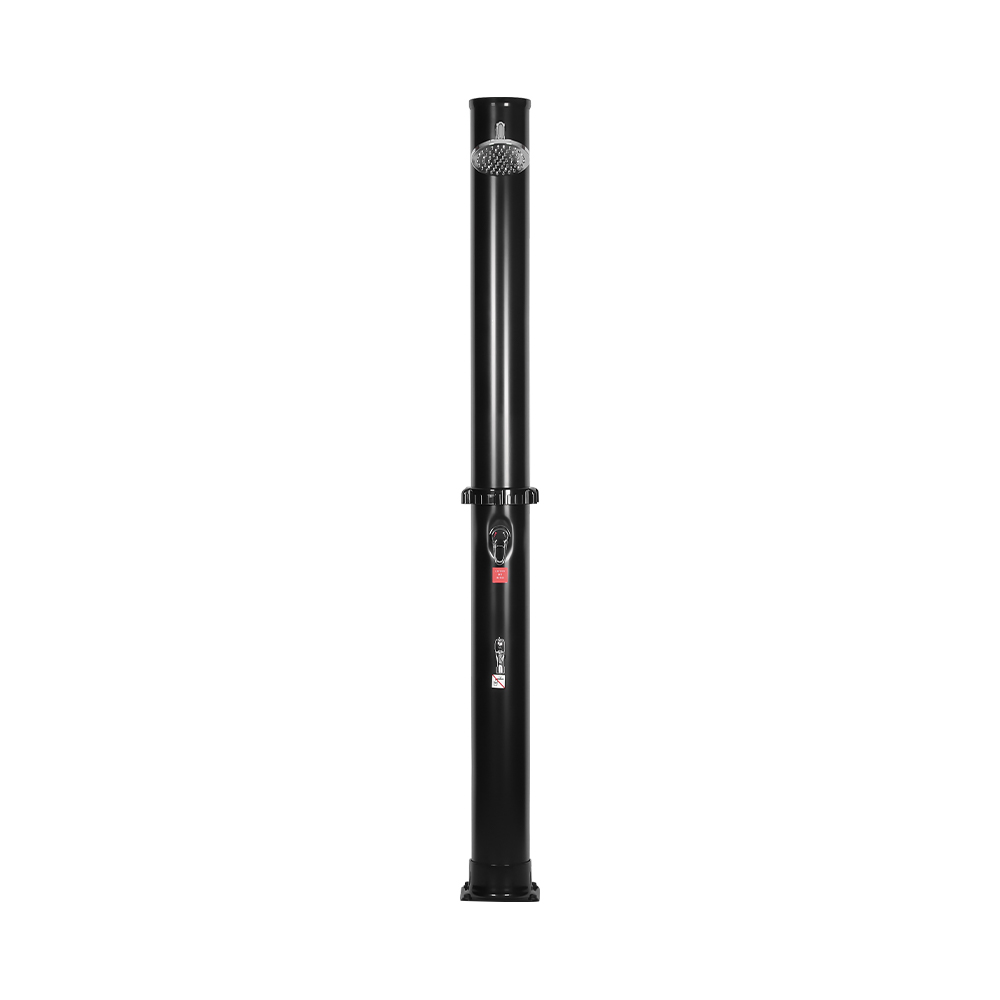
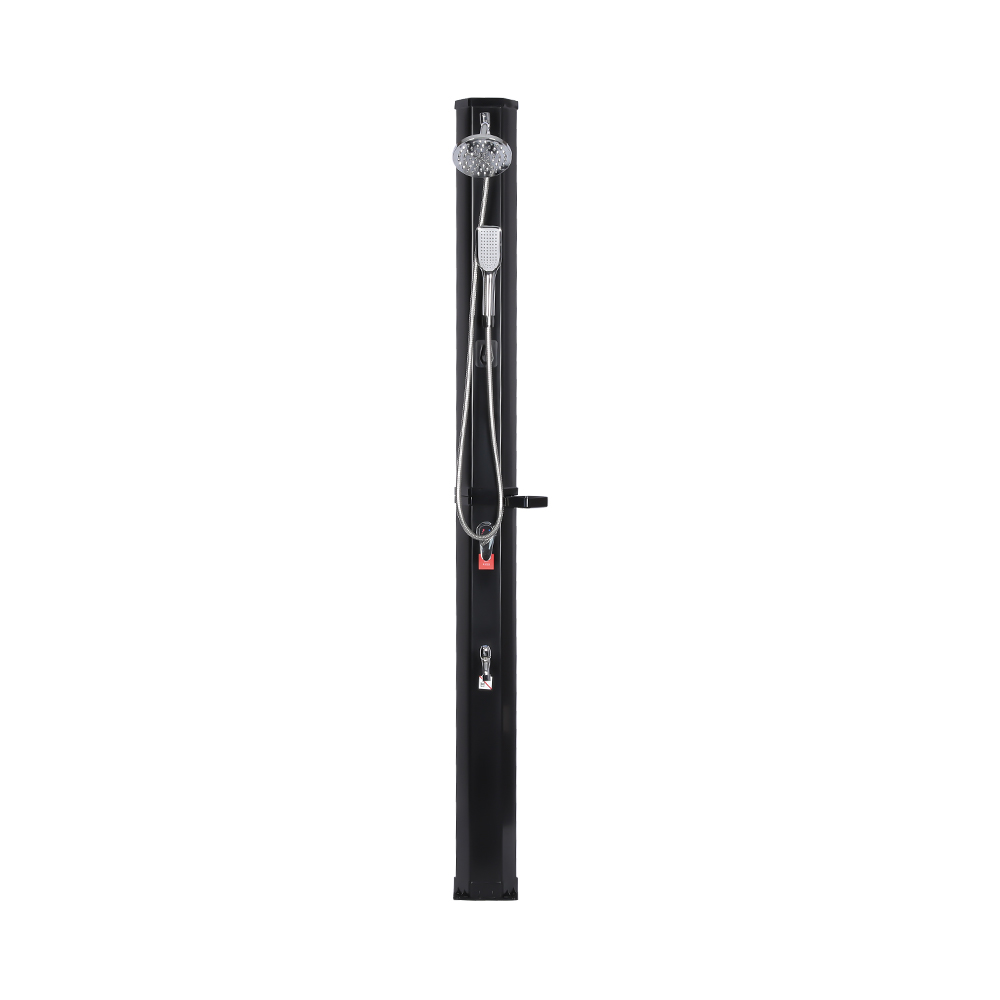
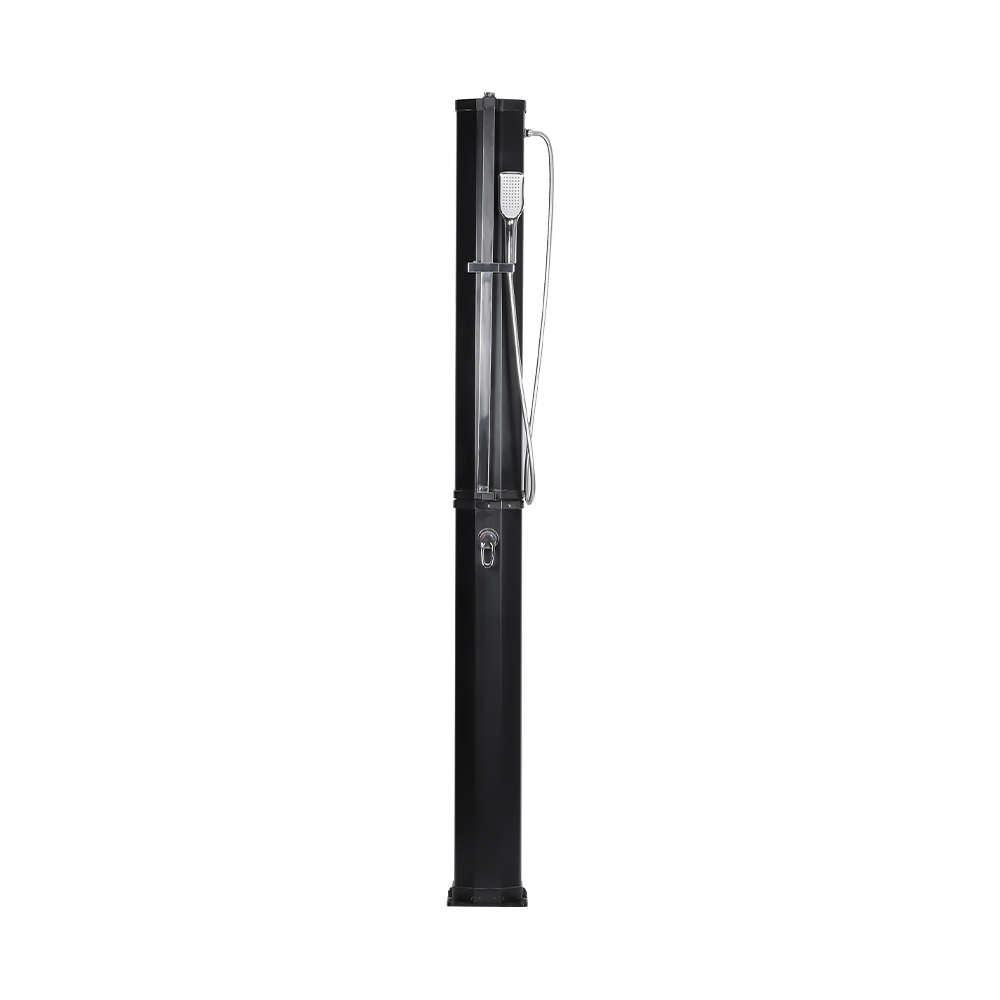
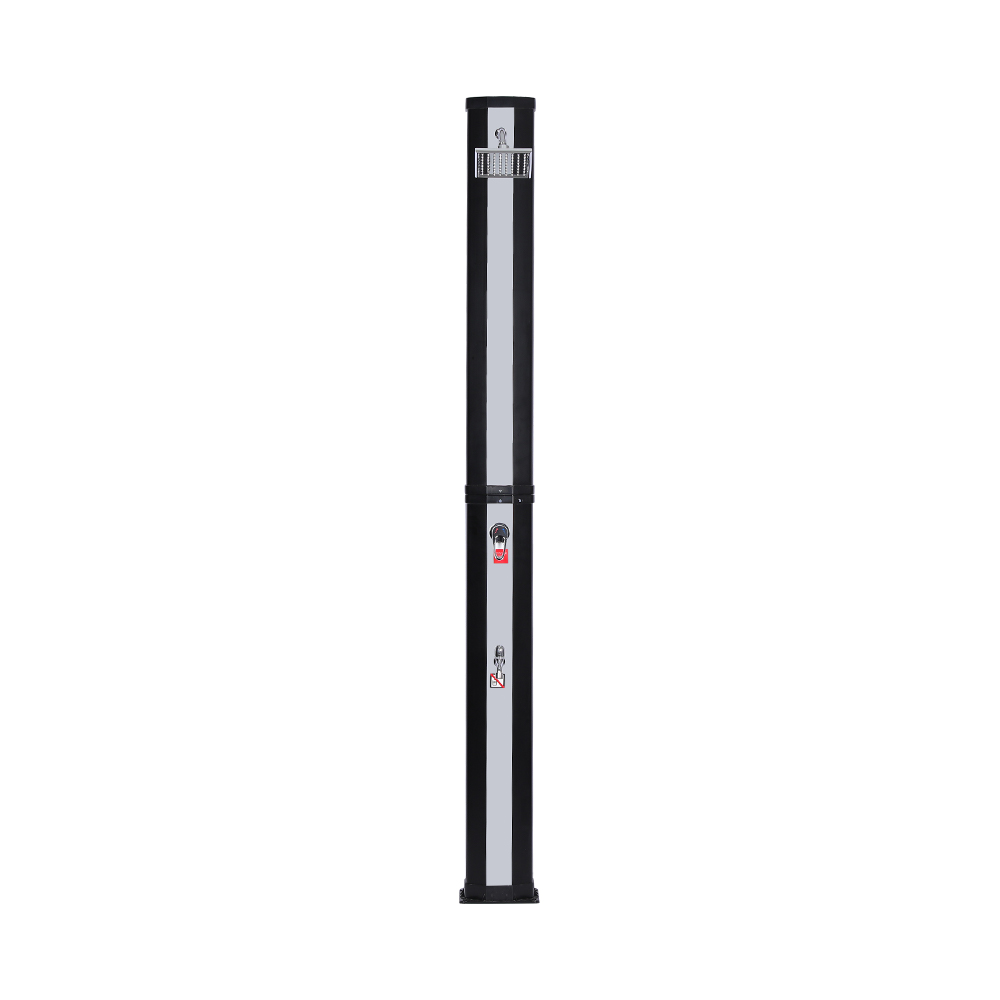
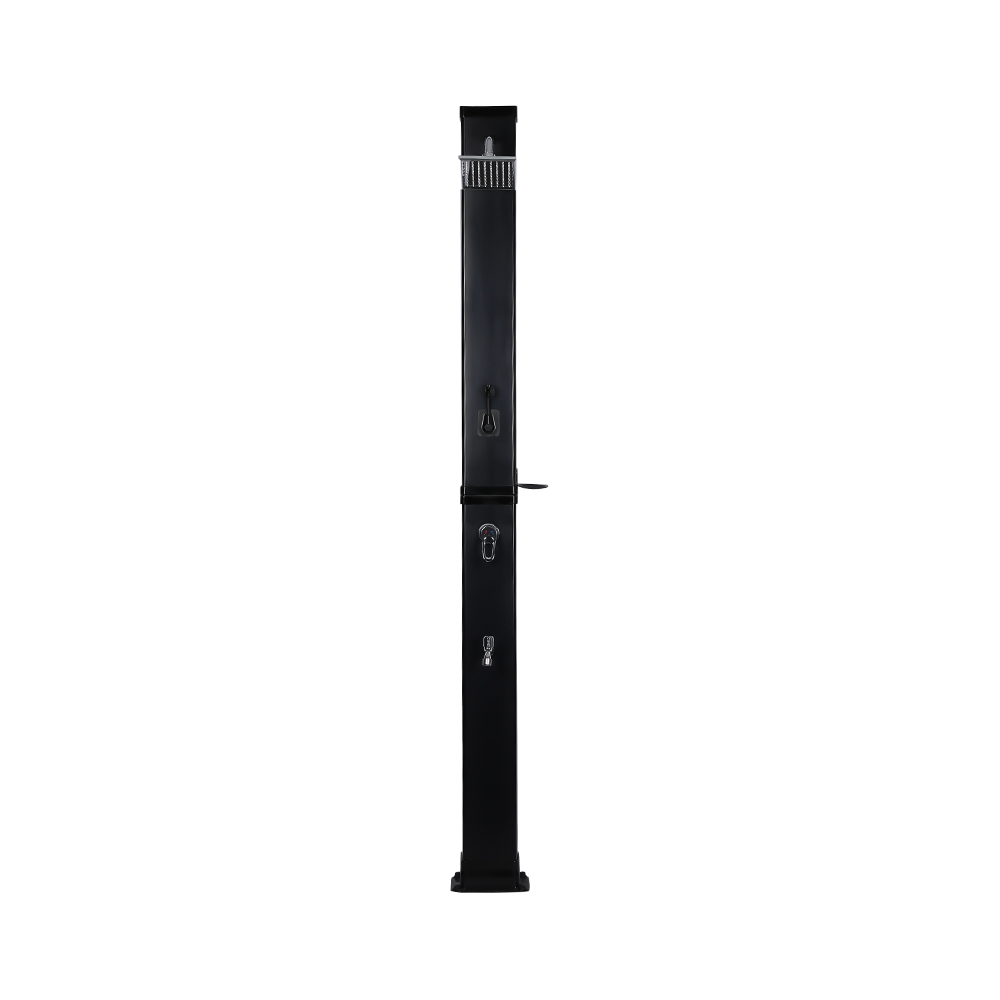
Column units are semi-permanent structures made of rigid PVC, ABS, or aluminium, with capacities from 18 to 60 litres. The tank, showerhead, and stand form one integrated unit. The rigid body holds heat much better than a film bag, the vertical surface captures sunlight from more angles, and the fixed showerhead sits at a comfortable height above the user. For poolside and garden use, a column is the most practical and durable choice.
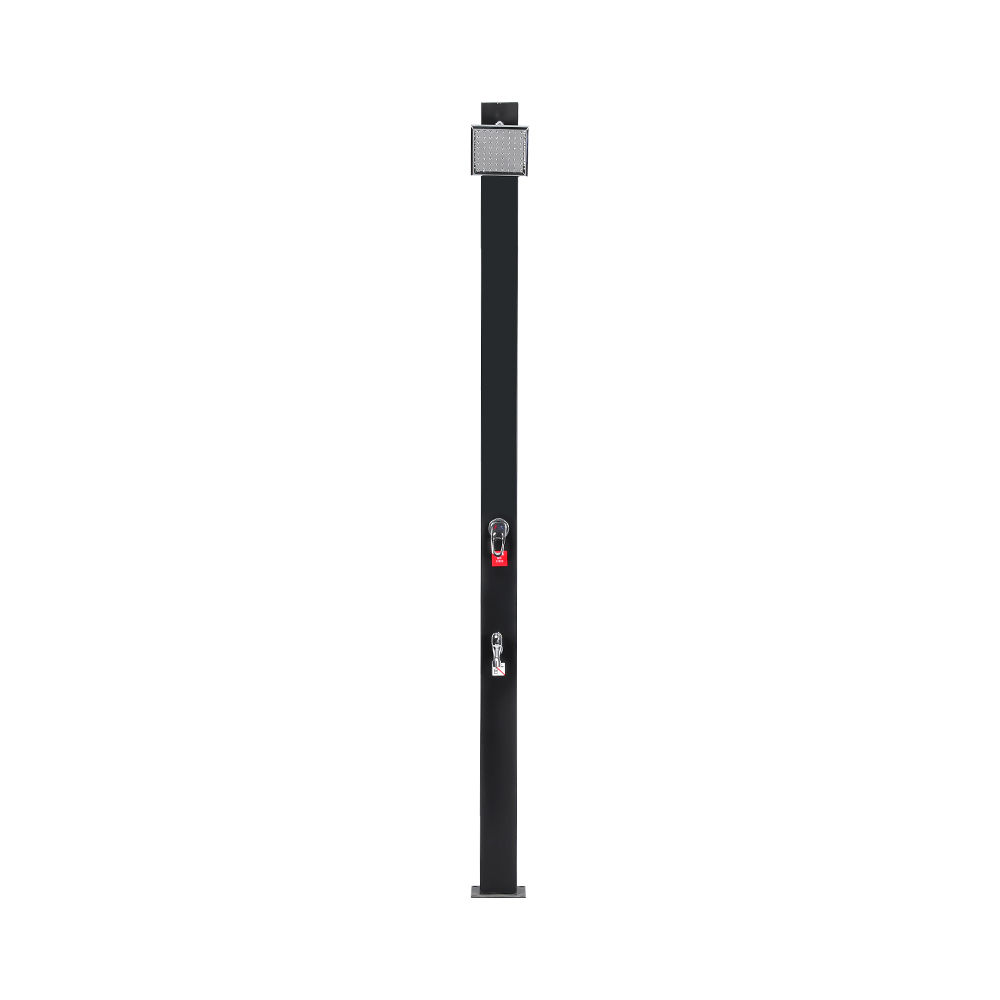 LY18L08-SS Adjustable Integrated UV-Proof Solar Shower ColumnThis 18L column combines a 180° pivot rain showerhead with UV-resistant plastic and a sturdy base, ideal for seasonal outdoor spaces needing a durable, easy-to-store heated shower.View Product →
Wall-Mounted Solar Showers
These are fixed to an existing wall or post and often connected to a cold-water line, so you can mix solar-heated water with mains water. They are less common as a standalone product but work well in seasonal homes, summer kitchens, and coastal changing rooms where a permanent outdoor shower is wanted.
| Type | Capacity | Heat retention | Durability | Ideal setting |
|---|---|---|---|---|
| Portable bag | 5-20 L | Low; cools quickly once shaded | Low; thin PVC and seam stress | Camping, beach, caravan trips |
| Rigid column | 18-60 L | High; double-wall body and sealed air layer | High; UV-resistant PVC or ABS, metal fittings | Pool, garden, deck, terrace |
| Wall-mounted | 15-30 L | Good; depends on fixing angle and exposed surface | High; fixed location reduces handling damage | Home outdoor shower, changing room |
The gap between a flexible bag and a rigid column is the most important thing to understand before buying. Bags are a good entry point for occasional travel, but if you want a dependable warm shower all summer at a fixed outdoor location, a rigid column is the product you install and forget about. The full range of column designs, from compact 8 L units to large 60 L models, is worth reviewing before you settle on one capacity. You can explore available designs in the full solar shower range to see what fits your space and usage pattern.
Real-World Water Temperatures: What You Can Expect
The most common reason people say solar showers "don't work" is that they expect hot water in conditions that simply cannot produce it. Here is a realistic picture for an 18 L column placed in an open outdoor area with no overhead obstructions.
Full sun · 30 °C air
50-60 °C
Reached after 3-4 hours. Mix with cold water before use.
Full sun · 25 °C air
42-50 °C
Comfortable showering zone without extra mixing.
Partial sun · 22 °C air
30-38 °C
Usable as a mild warm shower on a partly cloudy day.
Overcast · 18 °C air
20-26 °C
Cool shower territory; not comfortable for most adults.
These numbers come from typical outdoor field conditions. They apply to both bag and column designs, with columns landing at the higher end because of their insulation and larger vertical absorption area. Bags warm up faster in the first hour but peak at a lower final temperature in most cases.
Approximate heating time to reach 35 °C under full sun
How to Get the Most From a Solar Shower
Performance can be improved significantly by following a few practical routines. These are the same habits that experienced outdoor buyers and pool owners use to get reliable warm water all season.
- Fill the tank in the morning and place the unit in open sunshine before 10 a.m., so it absorbs heat during the strongest solar hours.
- Face the black absorption side toward the equator — north in the Northern Hemisphere, south in the Southern Hemisphere — and tilt it at roughly 30 degrees for better sun capture.
- Place portable bags on a dark, non-reflective surface. Dark asphalt, dark tiles, or black plastic sheeting radiates heat back up into the bag.
- Keep the hose coiled near the tank while heating. Water sitting inside a long hose exposed to shade will cool down before it reaches the showerhead.
- Shower between 3 p.m. and 6 p.m., when the water has been absorbing heat all day and air temperatures are still high enough to slow heat loss.
- If the tank gets too hot — which happens with columns in strong summer sun — run a short burst of cold water from the garden hose into the mixing valve before stepping in.
Common Mistakes That Lead to Disappointment
- Placing the unit in shade. Solar showers need direct sunlight. A spot near a wall, under a tree, or beside a fence cuts performance by 50 percent or more.
- Expecting hot water in winter. Solar heating depends on solar radiation intensity, not just air temperature. Winter sun sits lower in the sky, and the heat captured in a few short hours is far less than in summer.
- Buying the cheapest bag available. Very thin PVC loses heat within minutes, and the seams can leak after only a few weeks of UV exposure.
- Not draining the tank after each use. Standing water promotes algae growth and mineral scale that gradually blocks the showerhead and shortens the life of rubber seals.
- Overfilling before cold nights. Water expands as it freezes. A full tank left outside when frost arrives can crack the body and destroy the unit.
Who Benefits Most From a Solar Shower?
Solar showers are not a universal replacement for a plumbed bathroom, but in several scenarios they genuinely shine. Knowing whether you belong to one of these groups will help you decide if a purchase makes sense.
Poolside homes
After swimming in a cold pool, a warm solar shower is far more pleasant than a tap-temperature outdoor shower. A 35 L column gives one or two people a full rinse on a sunny summer day, and the heat is free.
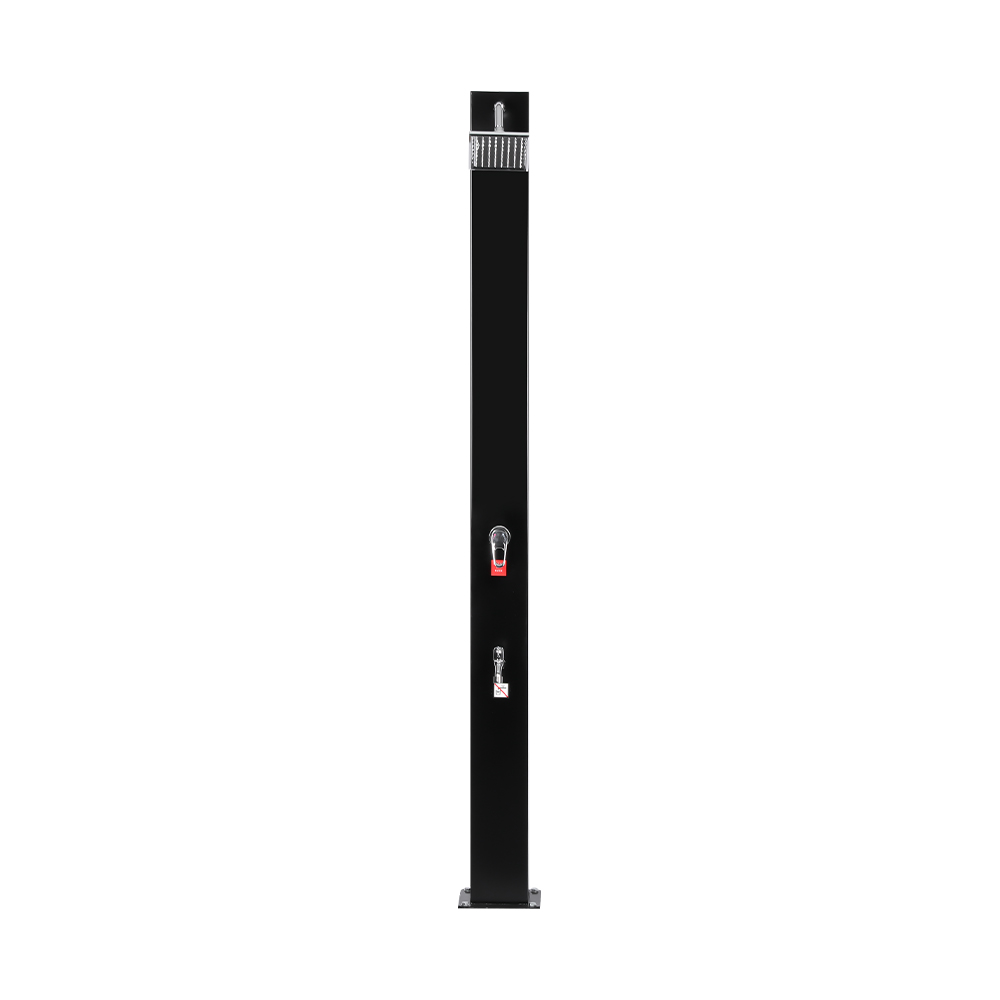 LY35L04-SS High-Capacity Solar Shower with Rack and DrainA 35L column that heats water up to 60°C, includes a metal rack for essentials and a bottom drain, suited for rinsing off after swimming or gardening.View Product →
Garden and allotment users
Rinsing mud, pruning residue, or soil off your arms and legs before walking indoors beats carrying the whole garden through the house. A fixed column on a deck or terrace makes the dirt rinse a one-hand operation, and the water simply drains into the lawn or gravel.
Campers, van lifers, and temporary setups
At campsites without electrical hookups, a portable bag or a lightweight column is the most practical way to get a warm rinse. It takes no electricity, fills from any water source, and only requires a sunny patch of ground.
Coastal and off-grid homes
In areas with water pressure problems or no mains plumbing, a gravity-fed solar shower works independently of the household water heater. Sandy feet and salt residue get rinsed off outside before entering the house.
For anyone who wants a truly permanent outdoor shower with enough capacity for several consecutive users, a 60 L model is worth the additional upfront cost. It provides a long shower time and a large rain-style showerhead that feels noticeably different from a small bag nozzle.
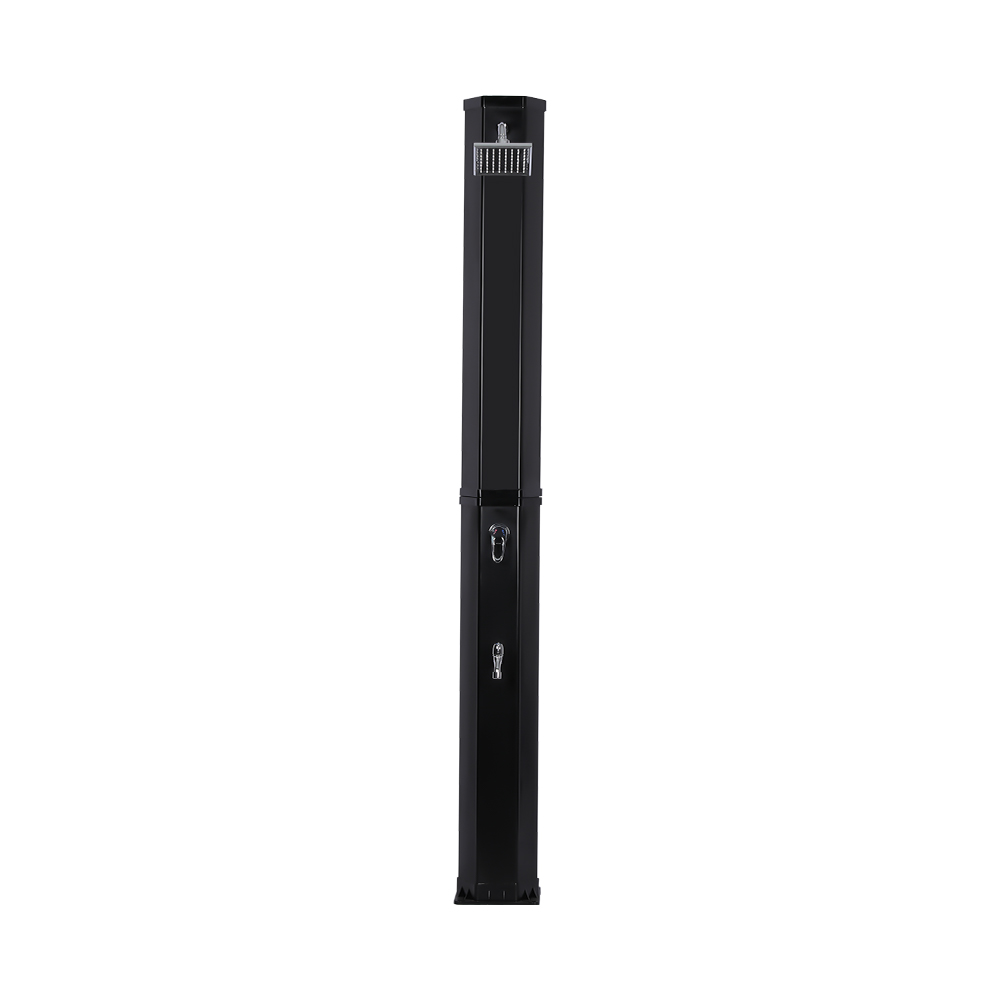 LY60L01 Extra Large Rain Head Solar Shower with Adjustable Ball JointA 60L tall column with an oversized rain showerhead, 180° adjustable angle, UV-resistant plastic, and quick-disassembly design for permanent or seasonal garden use.View Product →
Maintenance and Lifespan
A solar shower column is a simple product, but it lives outside year-round and needs basic care to last. Most well-built units with UV-resistant materials should give five to ten seasons of reliable service, provided the owner follows a short maintenance routine.
- Drain the tank completely after every use, especially before the off-season or a period of cold nights.
- Clean the tank and pipe once a week during active summer use: rinse with a mild detergent and cold water, then flush through the showerhead.
- Check O-rings, washers, and the valve seal every two years. Replacing a rubber seal is a five-minute job and can stop the most common drip leaks.
- When freezing temperatures are forecast, empty the tank fully and store any detachable hose or showerhead indoors. Even a small amount of residual water expands and can crack the body.
Following these steps matters because a well-maintained unit heats faster, keeps seals and valves working, and keeps the showerhead clear. For a more detailed walkthrough, see our complete solar shower maintenance and cleaning guide.
Frequently Asked Questions
How long does a solar shower take to heat up?
Most units reach a comfortable 30-38 °C within two to three hours of direct sun and reach peak temperature after four hours. Smaller portable bags heat faster but hold heat for less time; larger columns take longer but stay warm well into the evening.
What is the maximum temperature a solar shower can reach?
On a hot summer day in full sun, a well-insulated column can exceed 60 °C. That is too hot to use directly, which is why many outdoor models include a cold-water mixing valve or recommend adding a cold stream from the hose.
Will a solar shower work on a cloudy day?
Only partially. Diffuse sunlight can heat water to around 20-26 °C on an overcast day, which most people find too cool for a proper shower. Plan to rely on your solar shower mainly on clear or partly sunny days.
Are solar shower columns better than solar shower bags?
For fixed installations, yes. Columns hold more water, retain heat much longer, and provide a comfortable hands-free position with the showerhead at head height. Bags are lighter, cheaper, and make more sense for travel or occasional use.
Can I leave a solar shower outside in winter?
You can leave the structural part outside, but the tank and pipe must be completely drained. Ice expansion is the number one cause of cracked PVC bodies. If the unit uses a detachable hose and showerhead, store both indoors over winter.
How do I increase water pressure from a gravity-fed solar shower?
Keep the bottom of the tank at least 1.5 to 2 meters above the showerhead, use the shortest possible hose, and avoid sharp bends. Gravity pressure is directly proportional to the height difference, so mounting the tank higher is the most effective change.
-
How Do You Maintain and Clean Your Solar Shower for Long-Term Use
Empty the Tank After Each Use Maintaining the cleanliness and functionality of your solar shower is ...
-
Comprehensive Guide to Solar Showers: From Portable Bags to Luxury Poolside Units
Introduction to Solar Showers What is a Solar Shower? A solar shower is an innovative and environmen...
-
How to Choose the Perfect 8L Solar Shower for Beach, Pool & Garden Use
Benefits of Using an 8L Solar Shower at the Beach 1. Convenience and Portability for Beachgoers An 8...
-
The Ultimate Guide to 18L Solar Showers: Reviews, Tips, and How-To
Introduction to 18L Solar Showers In recent years, 18L solar showers have become a must-have item fo...
No.27, Fengshan Road, Hangfu Town, Kecheng District, Quzhou City, Zhejiang Province, China
(+86)-17888203192
 Wholesale Outdoor Solar Shower Factory