
 English
 Deutsch
 Español
 Français
What Is a Solar Shower and How Do You Maximize Its Thermal Efficiency
In field operations, long-distance expeditions, and camping activities, efficient personal cleaning solutions are crucial for maintaining personnel health and environmental hygiene. As a portable heating device that utilizes renewable energy, solar shower and solar camp shower have become core components of outdoor survival gear due to their simple structure and independence from external power support. Understanding the essence of what is a solar shower and mastering its thermodynamic working principles helps users select the most suitable equipment based on actual operating environments.
The core logic of what is a solar shower is based on the principles of photothermal conversion and gravitational water pressure. The main body usually consists of a flexible water storage bag with high absorption, and the material often uses composite polyvinyl chloride (PVC) or UV-resistant coated fabric with high thermal conductivity. The color is usually black to achieve efficient absorption of solar radiation.
When the equipment is filled with water and exposed to direct sunlight, the internal water body generates a temperature rise through infrared absorption. Under typical environmental conditions, after staying outdoors for 3 to 5 hours, the water temperature can rise from room temperature to 35°C to 45°C, thereby reaching the temperature required to meet basic cleaning needs. The water outlet end is usually connected to a hose and a flow-restricting nozzle, using the gravitational water pressure formed by the height difference for spraying.
Optimized Scenarios for Solar Shower Deployment
Different field environments require distinct configuration strategies for solar shower systems. To maximize heat absorption and water flow efficiency, consider the following deployment scenarios based on your specific outdoor activity.
Due to thinner atmosphere, UV radiation is intense. Use solar camp shower units with reinforced seams to withstand extreme temperature fluctuations.
Ideal for extended stays. Optimize what is a solar shower efficiency by creating a reflected heat platform underneath the reservoir to boost temperature by 5°C.
Performance Comparison for Informed Selection
Choosing the right unit depends on your specific mobility requirements versus the need for thermal capacity.
| Metric | Portable Gravity Model | Pro-Flow Pressurized Model |
| Primary Use | Fast-paced hiking | Family/Group camping |
| Thermal Efficiency | High (Surface Area Focus) | Ultra-High (Insulated Layer) |
| Weight Load | Minimized | Reinforced for capacity |
Extended Lifecycle Care and Technical FAQ
Maintaining your solar camp shower is critical for long-term reliability. Unlike standard water containers, the internal coating of these units requires specific attention to prevent degradation.
- Thermal Stress Management: Never expose the unit to direct sunlight when empty, as internal air heating can exceed the structural integrity limits of the seals.
- Sanitization Protocol: After every trip, flush with a solution of water and mild baking soda to eliminate residual organic matter without damaging the solar-absorptive inner lining.
- Seal Integrity: Inspect the hose-to-bag connection point monthly. If the O-ring shows signs of brittleness, replace it immediately to maintain pressure performance.
Additional Expert Insights
Can it be used in rainy weather? Such equipment relies entirely on solar radiation. In the absence of sunlight, it is recommended to fill it with preheated warm water, and the equipment mainly plays a role in heat preservation.
How to increase the heating speed? Placing reflective materials (such as aluminum foil) at the bottom of the equipment to gather the solar energy reflected by the ground back to the surface of the water storage bag can additionally increase heat efficiency by 10%.
Can the equipment be heated by direct contact with fire sources? It is strictly forbidden to directly contact such equipment with fire sources. The material heat limit is only about 60°C, and direct contact will cause structural damage.
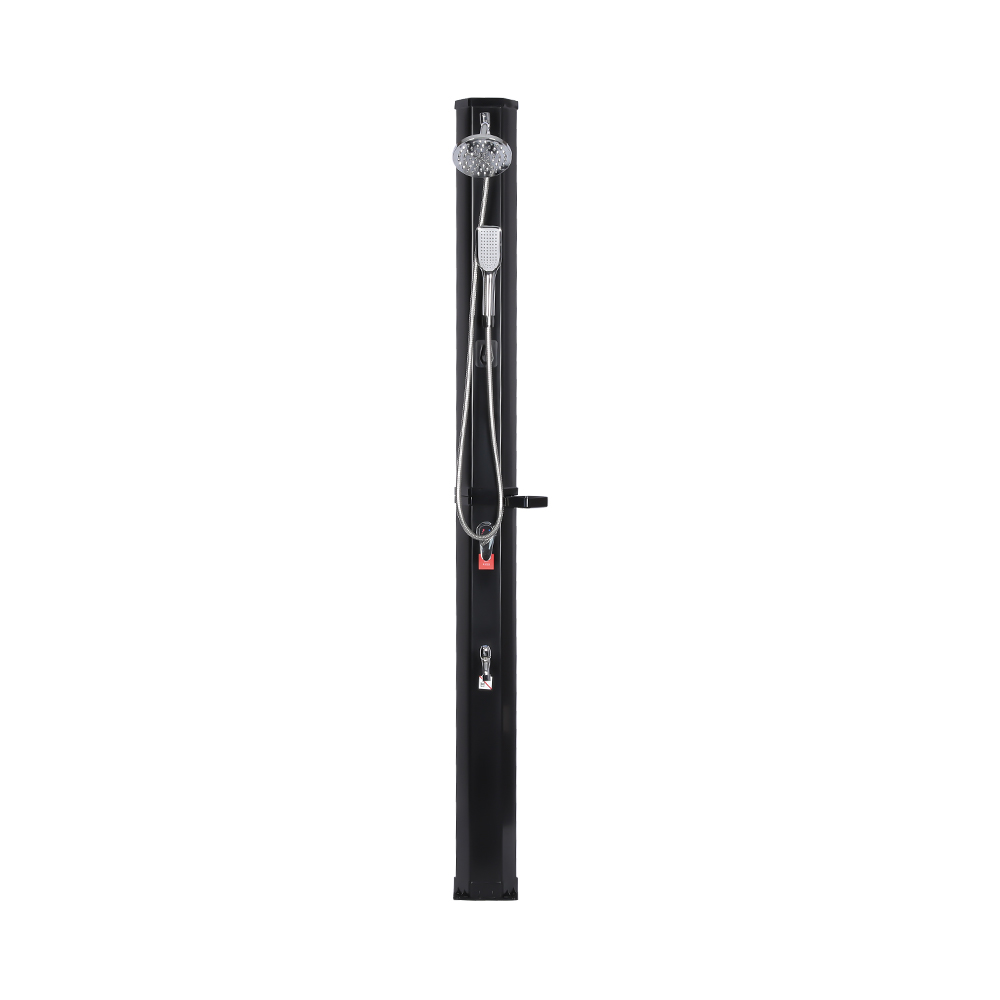
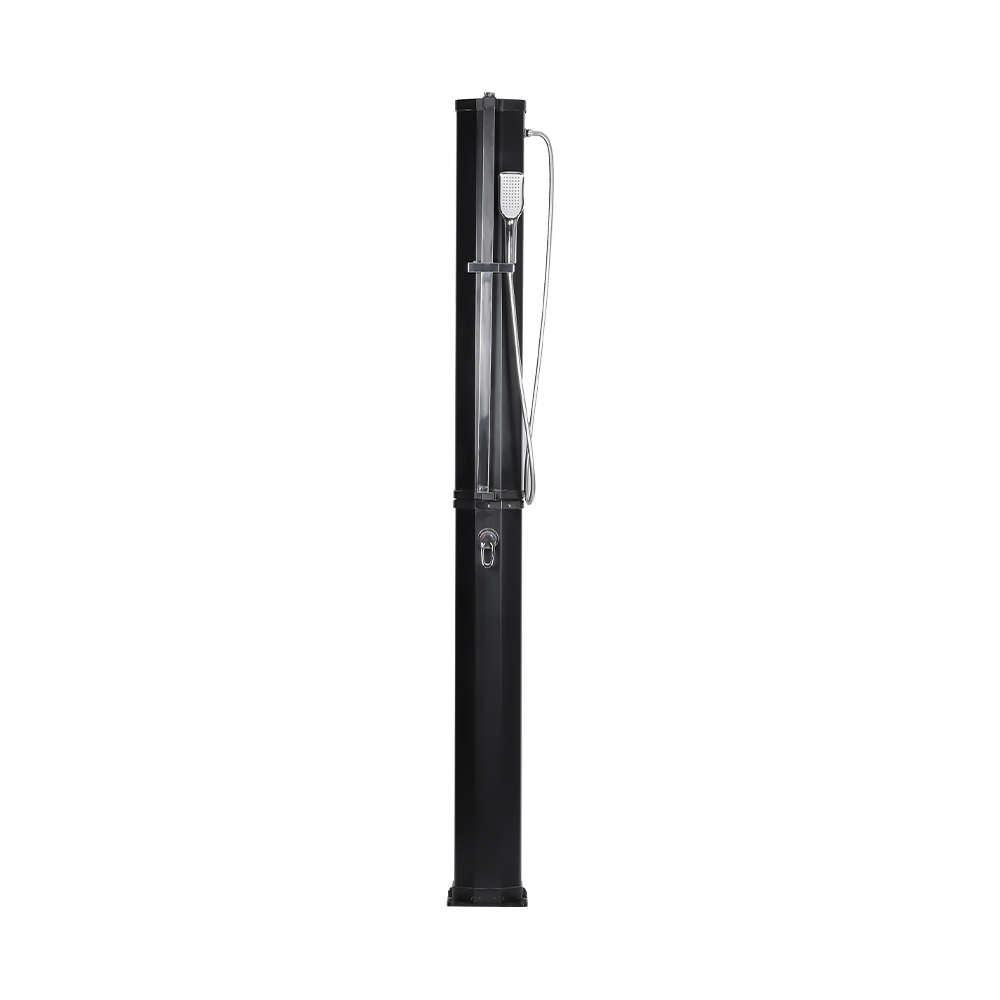
-
How Do You Maintain and Clean Your Solar Shower for Long-Term Use
Empty the Tank After Each Use Maintaining the cleanliness and functionality of your solar shower is ...
-
Comprehensive Guide to Solar Showers: From Portable Bags to Luxury Poolside Units
Introduction to Solar Showers What is a Solar Shower? A solar shower is an innovative and environmen...
-
How to Choose the Perfect 8L Solar Shower for Beach, Pool & Garden Use
Benefits of Using an 8L Solar Shower at the Beach 1. Convenience and Portability for Beachgoers An 8...
-
The Ultimate Guide to 18L Solar Showers: Reviews, Tips, and How-To
Introduction to 18L Solar Showers In recent years, 18L solar showers have become a must-have item fo...
No.27, Fengshan Road, Hangfu Town, Kecheng District, Quzhou City, Zhejiang Province, China
(+86)-17888203192
 Wholesale Outdoor Solar Shower Factory