
 English
 Deutsch
 Español
 Français
Do Solar Outdoor Showers Work and How Should You Choose One
How Does an Outdoor Solar Shower Provide Warm Water Without Electricity?
An outdoor solar shower uses direct sunlight to heat water stored inside a dark, weather-resistant tank. It provides a practical washing solution for swimming pools, gardens, campsites, beach houses, farms, cabins, and other outdoor spaces where a conventional water heater may be unnecessary or difficult to install.
The performance of an outdoor shower solar powered system depends on more than tank color. Water capacity, solar exposure, inlet temperature, ambient temperature, wind, water pressure, insulation, shower flow rate, and installation direction all influence heating speed and available shower time.
How a Solar Powered Outdoor Shower Heats Water
The heating process is based on solar absorption, heat transfer, water storage, and controlled water delivery.
Solar Energy Absorption
The black or dark-colored surface of a solar outdoor shower absorbs solar radiation. The outer surface converts sunlight into thermal energy, which passes through the tank wall and warms the stored water.
Heat Storage
The tank stores heated water until the shower is used. Larger tanks provide longer shower duration, while smaller tanks normally heat more quickly under the same sunlight conditions.
Cold and Hot Water Mixing
A mixing valve combines solar-heated water with the incoming cold-water supply. This allows the user to adjust the outlet temperature and reduces the risk of excessively hot water.
Controlled Water Delivery
Water flows through the shower head using household water pressure, garden-hose pressure, gravity, or an optional low-pressure pump, depending on the system design.
Do Solar Outdoor Showers Work in Real Conditions?
Solar showers work effectively when tank capacity, weather conditions, and user expectations are properly matched.
Do solar outdoor showers work?
Yes. A properly positioned solar power outdoor shower can produce comfortably warm water after several hours of direct sunlight. Performance is normally strongest during sunny spring, summer, and early autumn weather.
The water may become noticeably warm within two to three hours under strong sunlight. Reaching a comfortable shower temperature may require four to six hours, depending on the tank volume and initial water temperature.
Clear sky, direct sunlight, low wind, warm inlet water, and a dark tank surface.
Partial cloud, short periods of shade, cooler air, or a larger water capacity.
Heavy cloud, permanent shade, strong wind, freezing weather, or repeated cold-water refilling.
Important Parameters for an Outdoor Shower Solar Powered System
These values help determine expected heating time, shower duration, installation requirements, and operating comfort.
| Parameter | Typical Range | Practical Effect |
| Tank capacity | 20–60 L | A larger tank supports more users but requires more time to heat. |
| Direct sunlight | 4–8 hours | Longer exposure generally increases the final water temperature. |
| Recommended inlet pressure | 1.5–4 bar | Affects shower flow, spray stability, and mixing performance. |
| Typical shower flow | 4–8 L/min | Lower flow extends available shower time and reduces water use. |
| Comfortable outlet temperature | 35–42°C | Suitable for most outdoor rinsing and shower applications. |
| Hot-water safety threshold | Above 45°C | Temperature should be checked and mixed with cold water before use. |
| Recommended ambient temperature | 15–35°C | Warmer air reduces tank heat loss and improves heating efficiency. |
| Typical shower height | 1900–2200 mm | Provides sufficient clearance for most adult users. |
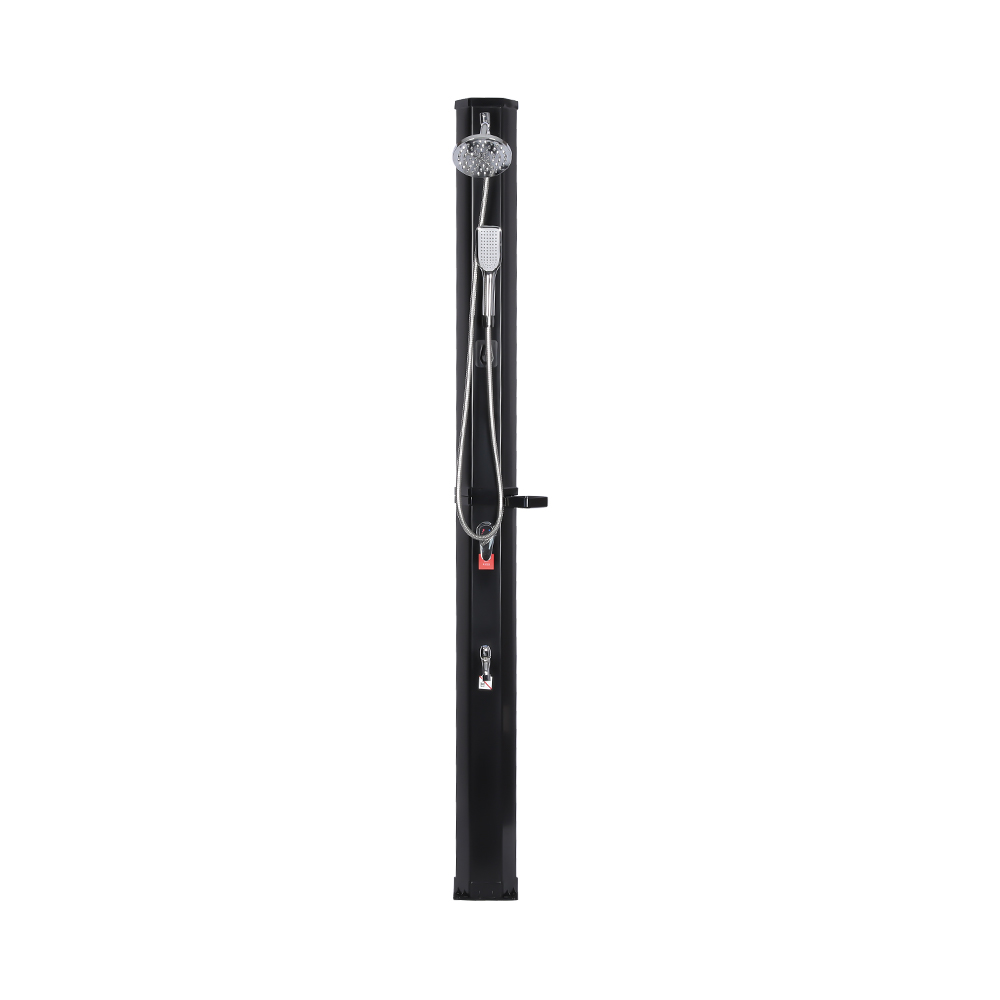
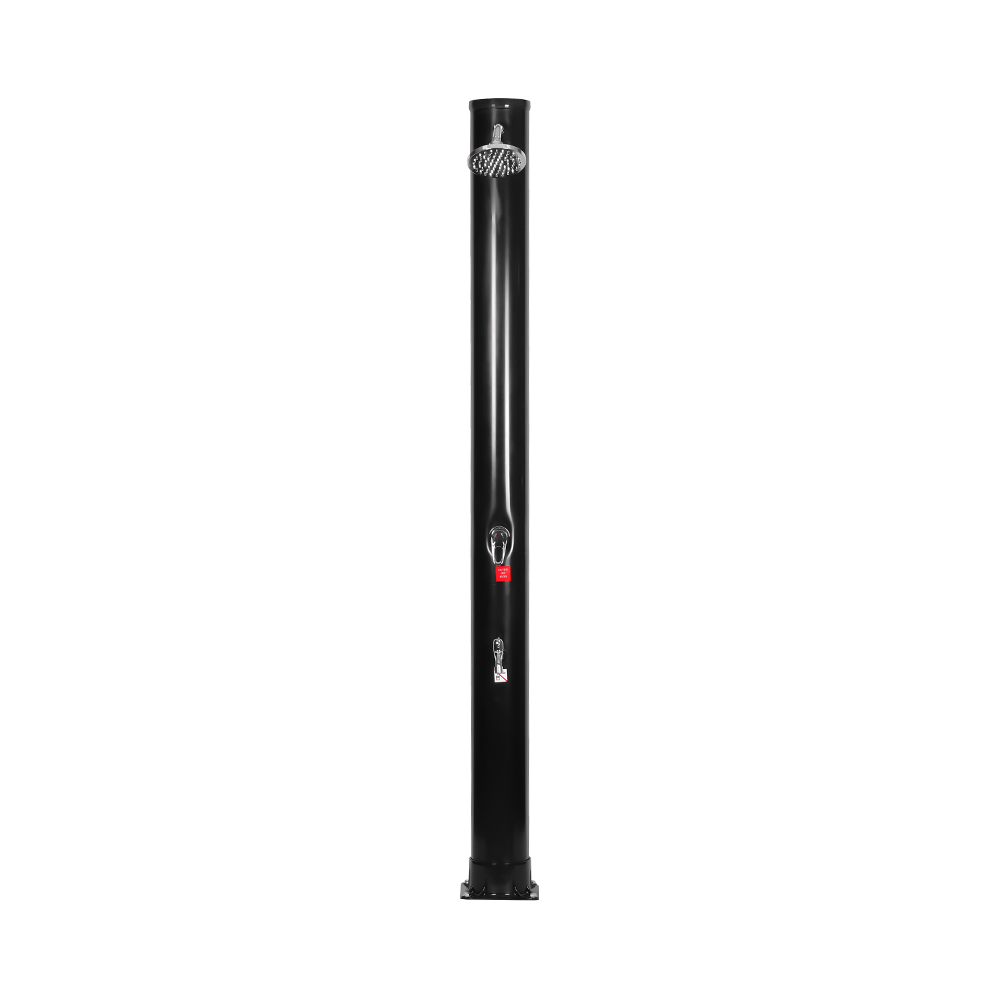
Product Features That Improve Outdoor Use
A reliable solar powered outdoor shower should combine efficient heating with safe water control, structural stability, and easy maintenance.
UV-Resistant Tank Material
The tank should resist sunlight, heat, moisture, and repeated outdoor temperature changes. UV-resistant construction helps reduce fading, brittleness, and premature cracking.
Integrated Mixing Valve
A hot-and-cold mixing valve allows precise temperature adjustment. It is especially important after long exposure to strong summer sunlight.
Low-Flow Shower Head
A controlled-flow shower head extends usable shower time without requiring a larger tank. It also helps maintain a stable spray under moderate water pressure.
Independent Foot Rinse Tap
A lower faucet can be used for washing feet, cleaning pool equipment, rinsing footwear, or filling small containers without activating the main shower head.
Complete Drainage Structure
A drain point at the bottom of the tank allows easier cleaning, seasonal storage, and winter protection. Complete drainage reduces internal freezing damage.
Stable Mounting Base
The base should support the combined weight of the shower body and stored water. Secure floor mounting helps prevent movement, leaning, and accidental overturning.
How to Build a Solar Outdoor Shower
A safe installation begins with the correct water source, tank structure, mounting surface, pipe layout, and drainage system.
Basic Materials
- UV-resistant black water tank or solar shower column
- Pressure-rated water hose or outdoor plumbing pipe
- Cold-water inlet valve
- Hot-and-cold mixing valve
- Low-flow shower head
- Bottom drain valve
- Weather-resistant seals and connectors
- Concrete, stone, or reinforced mounting platform
- Non-slip floor and drainage channel
Installation Priorities
- Select an area receiving at least four hours of direct sunlight.
- Confirm that the ground can support the full water-filled weight.
- Position the shower away from permanent building and tree shade.
- Connect the inlet pipe with a dedicated shutoff valve.
- Install the drain outlet at the lowest point of the tank.
- Test every connection before filling the tank completely.
- Set the mixing valve to cold before checking heated water.
- Confirm that wastewater can drain without creating slippery surfaces.
One liter of water weighs approximately one kilogram. A 40-liter tank may create a total installed load exceeding 45 kilograms after including the shower body, valves, pipes, and mounting components. The base must remain stable when the tank is full.
How to Make an Outdoor Solar Shower More Efficient
Heating efficiency can be improved without increasing electrical consumption.
Increase Direct Solar Exposure
Install the tank in an open area without roof, wall, fence, or tree shade during the main heating period.
Use a Dark Absorbing Surface
Black and dark surfaces generally absorb more solar energy than reflective or light-colored materials.
Protect the Rear Surface
Insulating the shaded side of the tank can reduce heat loss without blocking the primary solar-absorbing surface.
Reduce Excessive Water Flow
A lower flow rate provides longer shower duration and reduces the amount of hot water consumed per minute.
Avoid Continuous Cold-Water Refilling
Repeated cold-water replacement lowers the average tank temperature and extends the required heating period.
Add Wind Protection
A nearby wind barrier can reduce convective heat loss, provided it does not block direct sunlight.
How to Build a Solar Heated Outdoor Shower with a Collector
A separate solar collector can improve heat absorption when a basic storage column does not provide sufficient heating performance.
Natural Circulation Design
Cold water leaves the lower part of the storage tank and enters the solar collector. As the water heats, its density decreases and it rises back into the upper part of the tank. This movement can create passive circulation without a pump.
The collector should be positioned below the upper hot-water return point. Connecting pipes should be kept short, correctly angled, and free from trapped air.
Pressure and Expansion Protection
Heated water expands. The tank must not become a completely sealed pressure vessel unless it has been specifically designed and certified for pressurized hot-water operation.
A suitable design should include venting, overflow control, pressure relief, or another approved expansion method. Ordinary containers should not be modified into closed pressurized solar heaters.
Do Solar Showers Work in Winter?
Winter operation is possible in mild climates, but heating speed and freeze protection require additional attention.
Mild Winter Conditions
A solar outdoor shower may continue to produce warm water when daytime temperatures remain above approximately 10°C and the tank receives several hours of direct sunlight.
Cold but Sunny Conditions
The tank may gain heat during the day, but low air temperature and wind can remove heat quickly. Insulation and wind protection become more important.
Freezing Conditions
Water must be completely drained from the tank, valves, shower head, and connecting pipes. Freezing water expands and may crack the tank or damage seals and fittings.
Winter Shutdown Procedure
Close the main water supply.
Disconnect the inlet hose.
Open the mixing valve.
Open the shower head valve.
Open the bottom drain valve.
Confirm that no water remains trapped.
Choosing the Correct Tank Capacity
The required capacity depends on shower flow rate, shower duration, number of users, and the amount of cold water mixed with heated water.
Required water volume = shower flow rate × shower duration × number of users
| Application | Suggested Capacity | Typical Use |
| Quick personal rinse | 20–25 L | Feet, swimming gear, pets, tools, or short body rinsing |
| One or two short showers | 30–40 L | Gardens, swimming pools, cabins, and small campsites |
| Family outdoor use | 40–60 L | Several users with controlled shower duration |
| Frequent or extended use | Above 60 L | Large outdoor areas or systems with additional solar collectors |
A 40-liter tank combined with a 5-liter-per-minute shower head provides approximately eight minutes of direct tank-water flow. Mixing heated water with cold water may extend the practical shower duration.
Common Performance Problems and Practical Causes
Many operating problems can be traced to installation conditions, flow restrictions, incorrect tank sizing, or insufficient maintenance.
Water Does Not Become Warm
Possible causes include insufficient sunlight, permanent shade, a recently refilled tank, low ambient temperature, excessive tank capacity, or strong wind.
Water Becomes Too Hot
Long summer exposure may raise the tank temperature above a comfortable level. Begin with the valve in the cold position and introduce heated water gradually.
Shower Pressure Is Too Low
Check the inlet supply, hose diameter, filter screen, shower head, pipe bends, and valve opening. Gravity systems require sufficient tank height.
Hot Water Runs Out Quickly
The shower head flow may be too high for the tank capacity. A lower-flow shower head or a larger tank can increase usable shower time.
Valve or Joint Leakage
Loose fittings, worn seals, incorrect thread sealing, excessive pressure, or freeze damage may cause continuous dripping.
Uneven Water Temperature
Water inside a tall tank may form temperature layers. Proper internal flow design and controlled mixing can reduce sudden temperature changes.
Installation Location and Drainage Requirements
The correct location improves heating performance, user safety, structural reliability, and long-term convenience.
Sunlight
Choose an open position with direct sunlight during the main heating hours. In the Northern Hemisphere, a south-facing or southwest-facing area is often suitable when local obstacles are considered.
Foundation
Install the shower on concrete, stone, reinforced decking, or another level surface capable of supporting the fully filled structure.
Drainage
The floor should direct wastewater away from foundations, walking paths, electrical equipment, and pool water. A non-slip finish reduces fall risk.
Water Connection
Keep the supply hose away from walking routes. Use a dedicated shutoff valve so the shower can be isolated during maintenance or winter storage.
Cleaning and Maintenance Requirements
Routine inspection protects water quality, heating performance, sealing reliability, and structural safety.
Before the Operating Season
- Inspect the tank for cracks, deformation, or surface deterioration.
- Check the base bolts and mounting surface.
- Test the mixing valve and shutoff valve.
- Inspect all seals, hoses, and threaded joints.
- Flush the tank before normal use.
During Regular Use
- Do not leave stagnant water in the tank for an extended period.
- Clean blocked shower nozzles and inlet filters.
- Check the outlet temperature before each shower.
- Watch for continuous dripping or reduced pressure.
- Keep the surrounding floor clean and non-slip.
Before Freezing Weather
- Disconnect the water supply.
- Drain the tank and all pipe sections.
- Leave valves open after drainage.
- Store removable parts in a dry place.
- Cover the unit without trapping standing water.
Frequently Asked Questions About Solar Outdoor Showers
Clear answers to common installation, temperature, capacity, and seasonal-use questions.
How long does a solar outdoor shower take to heat?
A small or medium tank may begin warming after two to three hours of strong sunlight. Reaching a comfortable shower temperature commonly requires four to six hours, depending on weather, capacity, and inlet temperature.
Can a solar powered outdoor shower become too hot?
Yes. Water stored in a black tank may become very hot during intense summer sunlight. Use a mixing valve and always test the water before allowing children or other users to enter the shower.
Does an outdoor solar shower need electricity?
A standard model does not require electricity for heating. Pressurized models use the existing water supply, while gravity-fed models rely on tank height. An optional pump may require electricity in specialized installations.
Can the shower remain connected to a garden hose?
It can remain connected when the tank and valves are designed for continuous water pressure. The inlet pressure should remain within the product specification, and a shutoff valve should be available.
Can a solar shower be installed beside a swimming pool?
Yes. Poolside installation is one of the most common applications. The base must be secure, the floor should be non-slip, and wastewater should not flow directly back into the pool.
What tank size is suitable for two people?
A 30–40-liter tank is suitable for two short showers when combined with a controlled-flow shower head. Longer showers may require a larger tank or additional cold-water mixing.
Can solar showers be used during winter?
They can operate in mild sunny winter weather, but performance will be lower than in summer. The system must be completely drained when freezing temperatures are possible.
Match Tank Capacity, Water Pressure, Height, and Accessories to the Installation Site
Outdoor shower projects may require different tank volumes, column heights, shower heads, foot-rinse taps, base structures, inlet connections, surface finishes, and packaging arrangements. Clear application details make it easier to identify a suitable configuration.
Useful Project Information
Installation location and climate
Required water capacity
Available inlet pressure
Expected number of users
Preferred shower height
Drainage and winter conditions
View Outdoor Shower Options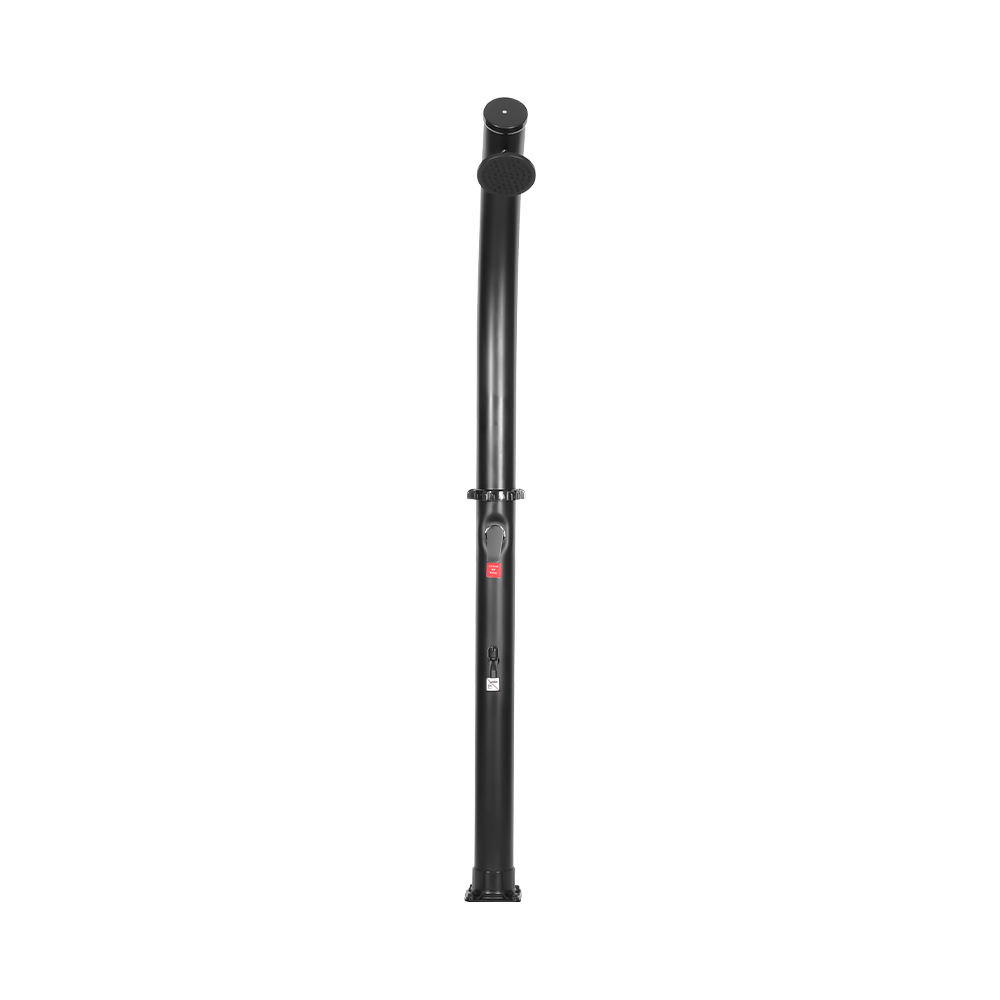
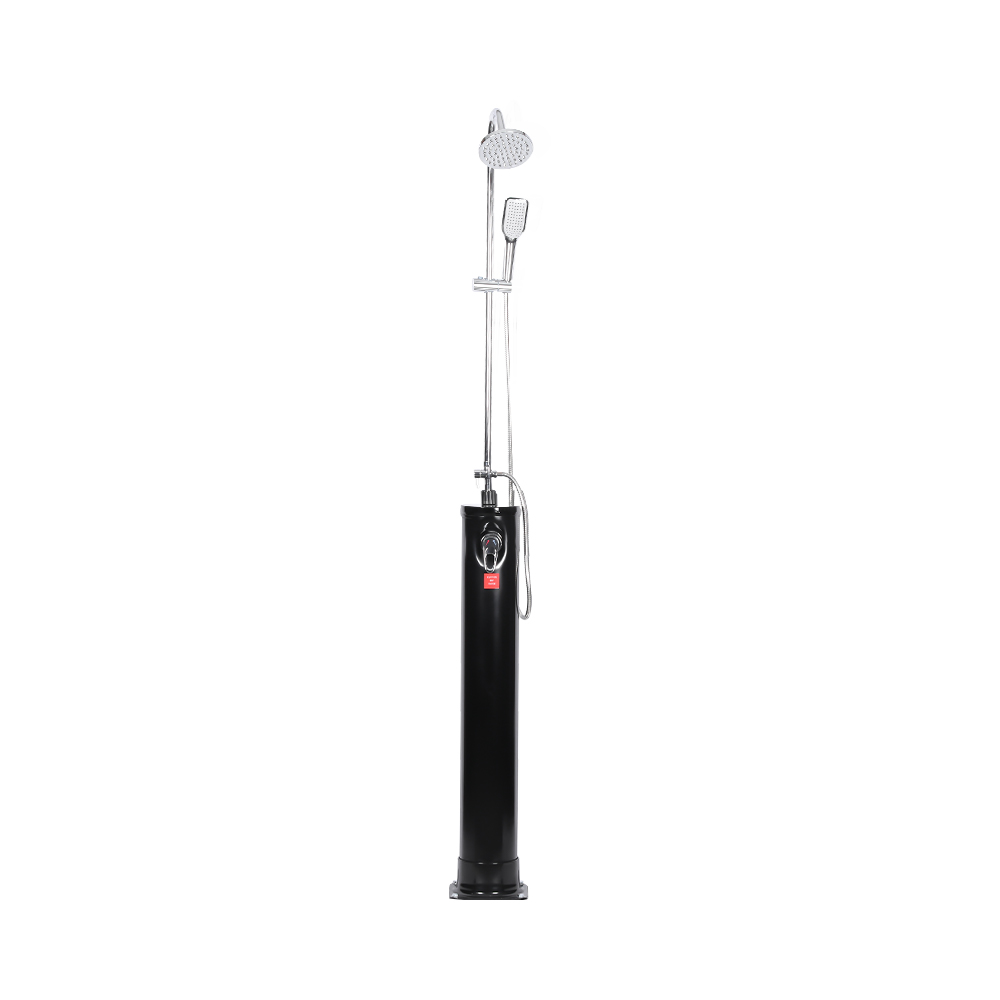
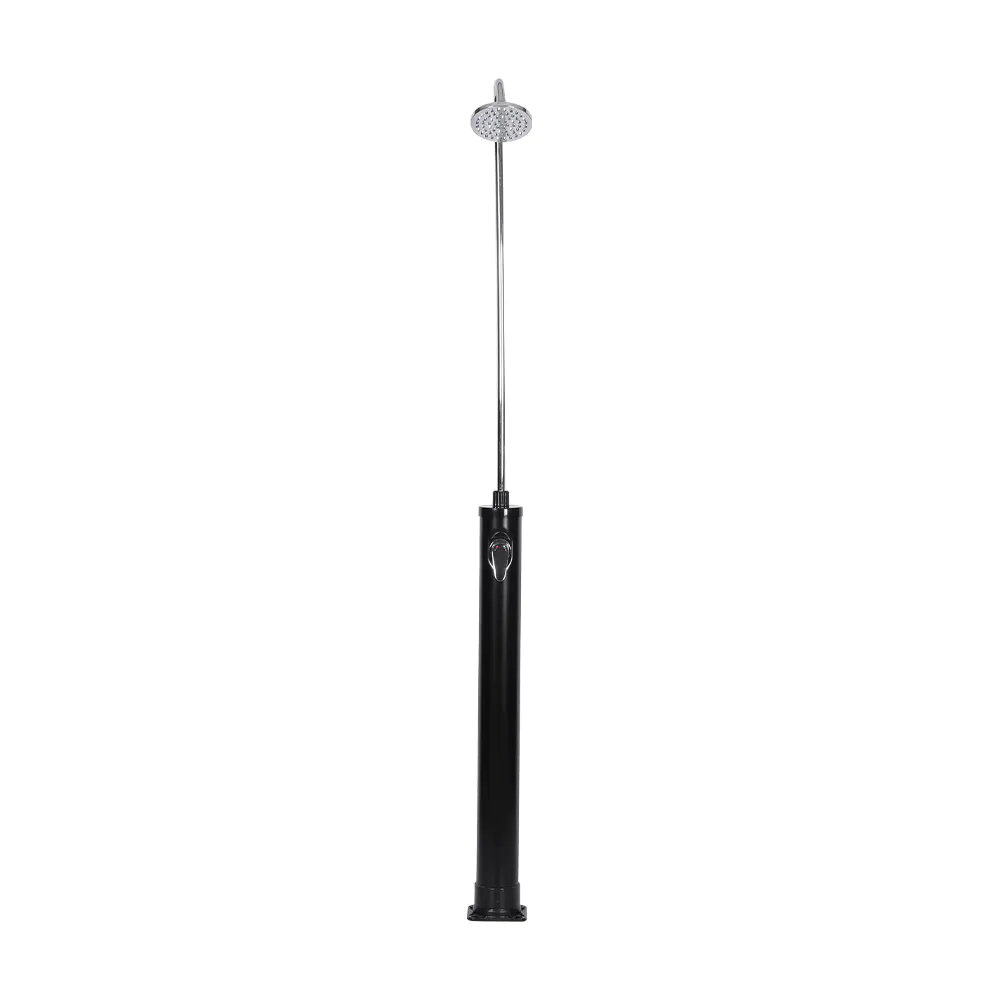
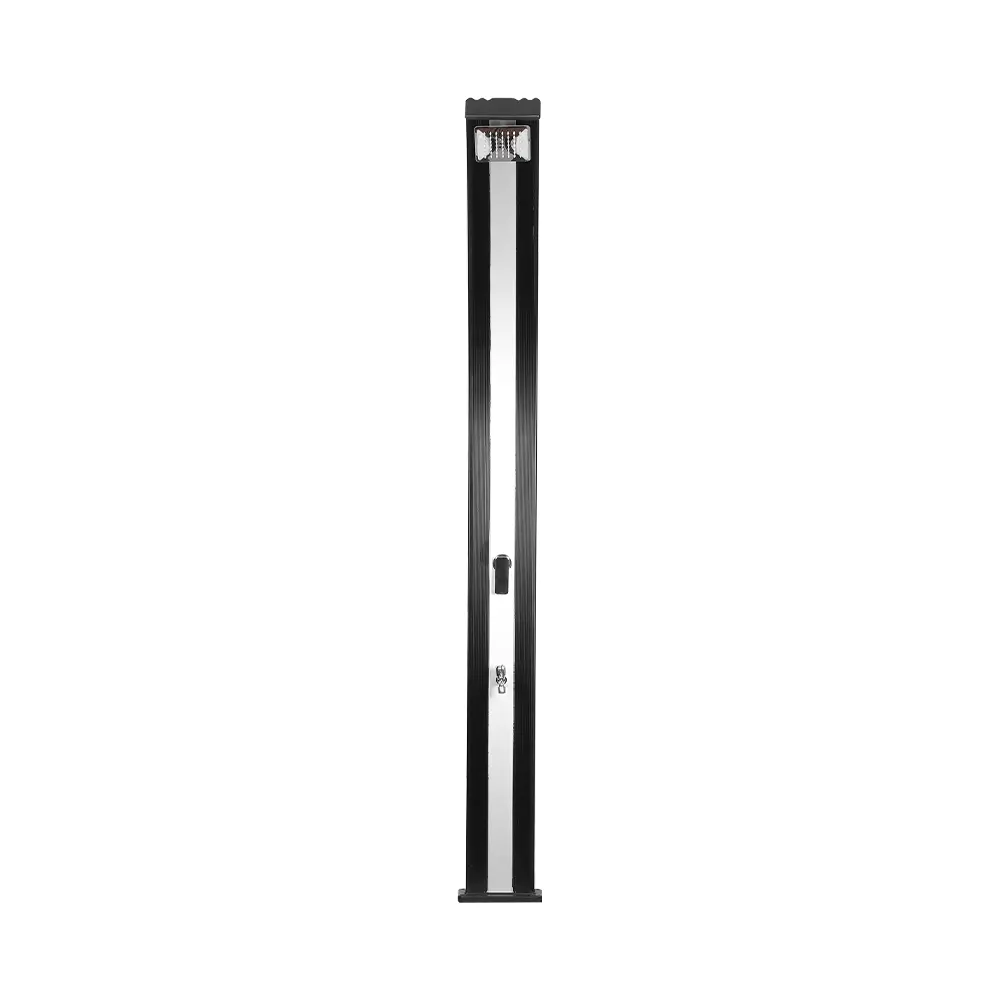
-
How Do You Maintain and Clean Your Solar Shower for Long-Term Use
Empty the Tank After Each Use Maintaining the cleanliness and functionality of your solar shower is ...
-
Comprehensive Guide to Solar Showers: From Portable Bags to Luxury Poolside Units
Introduction to Solar Showers What is a Solar Shower? A solar shower is an innovative and environmen...
-
How to Choose the Perfect 8L Solar Shower for Beach, Pool & Garden Use
Benefits of Using an 8L Solar Shower at the Beach 1. Convenience and Portability for Beachgoers An 8...
-
The Ultimate Guide to 18L Solar Showers: Reviews, Tips, and How-To
Introduction to 18L Solar Showers In recent years, 18L solar showers have become a must-have item fo...
No.27, Fengshan Road, Hangfu Town, Kecheng District, Quzhou City, Zhejiang Province, China
(+86)-17888203192
 Wholesale Outdoor Solar Shower Factory