
 English
 Deutsch
 Español
 Français
How Does a Beach Solar Shower Work in Coastal Outdoor Areas
What Makes a Beach Solar Shower Suitable for Coastal Outdoor Use?
A Beach Solar Shower provides a convenient way to rinse salt, sand, sunscreen, pool chemicals, and outdoor dirt before entering a building or recreational area. Solar energy warms the water stored inside the shower body, reducing the need for a separate electric or gas water heater.
Coastal installations create operating conditions that are different from ordinary garden environments. Salt spray, ultraviolet exposure, strong wind, sandy ground, high humidity, and frequent public use can affect the stability and service life of a Solar Shower. Tank material, mounting structure, valve design, water pressure, drainage, and winter protection should therefore be evaluated together.
Why Install a Solar Shower Near a Beach or Swimming Area?
A dedicated outdoor rinsing point protects indoor spaces, pool water, plumbing systems, and personal equipment.
Control Salt and Sand Before They Enter Indoor Areas
Salt and fine sand attach easily to skin, footwear, swimwear, surf equipment, beach toys, and pet fur. Without an outdoor rinsing area, these materials can be carried into bathrooms, changing rooms, pool decks, hotel corridors, and residential spaces.
A Beach Solar Shower creates a defined cleaning point close to the shoreline or pool. Users can rinse before entering another area, reducing floor contamination and lowering the cleaning workload around frequently used outdoor facilities.
Reduce Pool Contamination
Sunscreen, sand, body oils, and salt can affect pool water quality. Pre-rinsing helps reduce the amount of residue entering the pool.
Improve User Comfort
Warm water is more comfortable than cold hose water, especially after swimming, surfing, diving, or extended outdoor activity.
Simplify Outdoor Plumbing
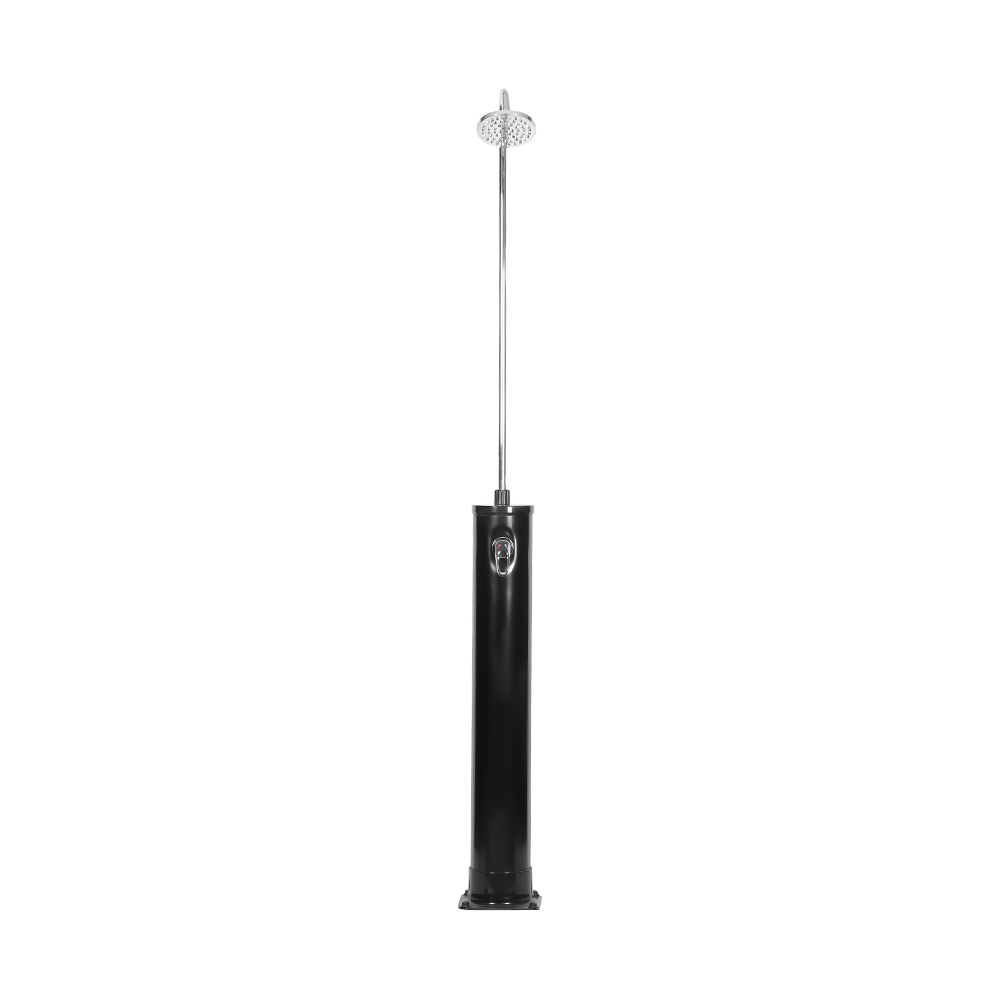
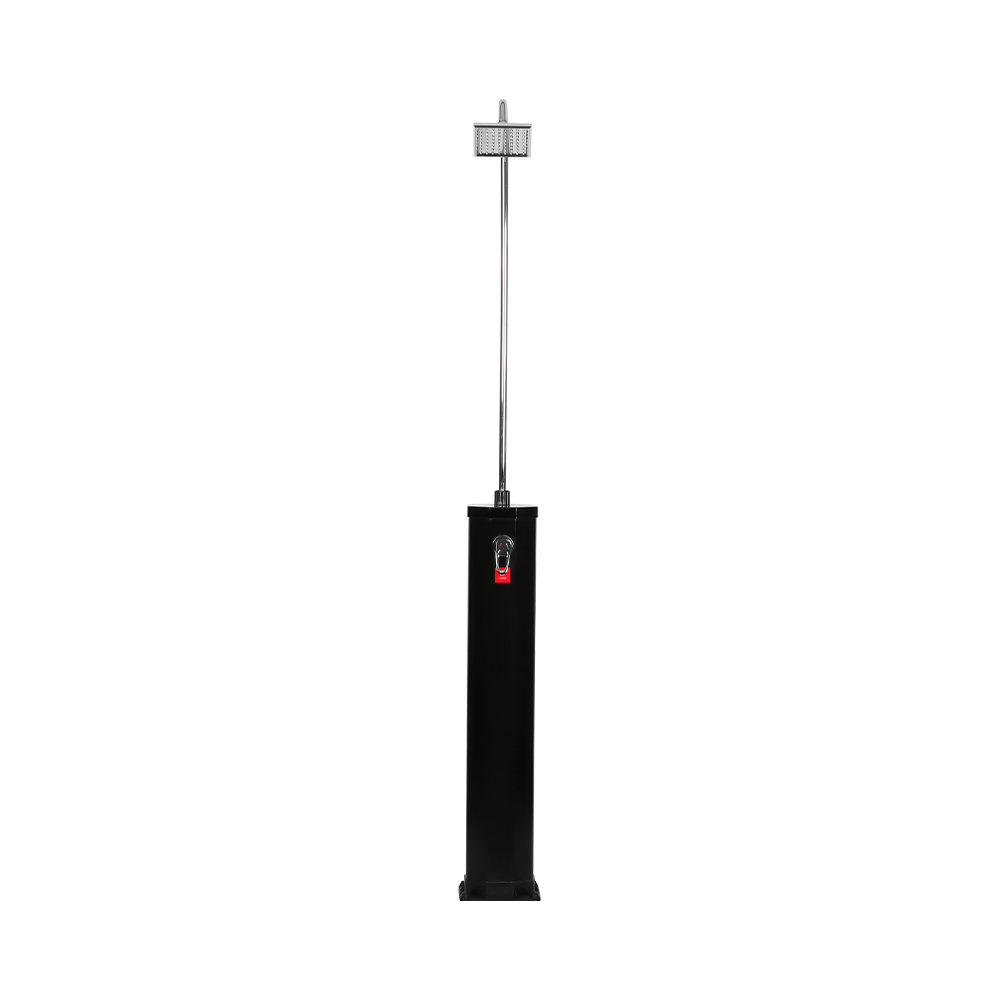
A Solar Shower can use a standard cold-water connection while solar energy provides passive water heating inside the storage column.
How Does a Beach Solar Shower Heat and Deliver Water?
The shower combines a solar-absorbing tank, cold-water connection, mixing valve, and controlled outlet.
Cold Water Enters the Shower
Water enters through a lower or rear inlet connected to a garden hose or fixed supply pipe. A shutoff valve allows the unit to be isolated during maintenance.
The Storage Body Absorbs Sunlight
The dark exterior surface absorbs solar radiation. Heat passes through the shower body and gradually raises the temperature of the stored water.
Heated Water Remains in the Tank
The tank stores warm water until the shower is activated. Heating time depends on tank volume, sunlight intensity, wind, air temperature, and initial water temperature.
The Mixing Valve Adjusts Temperature
A mixing valve combines heated tank water with the incoming cold-water supply. Users can regulate the outlet temperature before rinsing.
Water Leaves Through the Shower Head
Supply pressure pushes the mixed water through the upper shower head. Some configurations include a lower foot-washing faucet for targeted rinsing.
Beach Solar Shower and Standard Outdoor Shower Comparison
The correct design depends on heating requirements, installation conditions, maintenance expectations, and intended use.
| Comparison Item | Beach Solar Shower | Cold-Water Outdoor Shower | Electric Outdoor Shower |
| Heating source | Direct sunlight | No heating source | Electric heating element |
| Electricity required | Normally not required | Not required | Required |
| Installation complexity | Moderate | Low | Higher |
| Water temperature | Weather-dependent warm water | Supply-water temperature | Controlled heated water |
| Coastal suitability | High with suitable materials | High with suitable materials | Requires additional electrical protection |
| Typical application | Beach, pool, campsite, garden | Quick rinsing and equipment cleaning | Locations requiring stable hot water |
| Seasonal limitation | Reduced heating in cold or cloudy weather | No solar limitation | Dependent on electrical supply |
Product Features Required for Coastal Conditions
A Solar Shower installed near the sea should resist sunlight, salt spray, moisture, wind, and repeated operation.
UV-Resistant Shower Tank
Continuous sunlight can weaken unsuitable plastics and coatings. The shower body should be manufactured from outdoor-grade material with resistance to UV exposure and thermal cycling.
Corrosion-Resistant Connections
Salt spray accelerates corrosion around fasteners, valves, hose connectors, and mounting plates. Coastal installations require appropriate corrosion-resistant materials and protective finishes.
Reliable Temperature Control
Strong summer sunlight can produce very hot stored water. A smooth mixing valve allows cold water to be introduced gradually before the user stands under the shower head.
Reinforced Mounting Structure
A filled tank creates a high vertical load. Wind, uneven ground, and user contact increase the need for a secure base and correctly selected mounting bolts.
Controlled-Flow Shower Head
A moderate flow rate extends the available warm-water period. It also reduces unnecessary water consumption during short rinsing applications.
Accessible Drainage Point
A lower drain outlet allows users to empty the tank during cleaning, transportation, freezing weather, or seasonal storage.
How Much Water Capacity Does a Solar Shower Need?
Capacity should be selected according to user numbers, shower duration, water flow, and available sunlight.
Basic Capacity Calculation
Water demand = flow rate × use time × number of users
A shower head operating at 5 liters per minute uses approximately 20 liters during a four-minute rinse. A 40-liter tank can therefore support about eight minutes of direct tank-water flow before considering cold-water mixing.
Heated water is often mixed with cold water at the valve. The total usable mixed-water volume may be greater than the nominal tank capacity when the stored water temperature is sufficiently high.
How to Choose the Installation Position
Solar access, wind exposure, drainage, privacy, water connection, and foundation strength must be considered together.
Direct Sunlight
Position the Beach Solar Shower where the body receives at least four hours of direct sunlight. Trees, walls, roof structures, beach umbrellas, and fences can reduce heating performance.
The location should be evaluated during the main heating period rather than only in the morning. A position that appears sunny early in the day may become shaded before the tank reaches a useful temperature.
Stable Foundation
Use concrete, stone, reinforced decking, or another level surface capable of supporting the fully filled shower.
Effective Drainage
The floor should direct wastewater away from buildings, electrical equipment, pool water, and frequently used walking paths.
Wind Protection
Coastal wind increases heat loss and structural loading. A partial windbreak can help when it does not block sunlight.
Short Water Connection
Keep the inlet hose or pipe reasonably short to reduce pressure loss, trip hazards, and exposure to accidental damage.
User Privacy
Screens or walls can provide privacy, but they should not reduce airflow excessively or shade the solar-absorbing body.
Recommended Installation Procedure
Correct installation protects the shower body, valve system, users, water supply, and surrounding surface.
Inspect the Installation Surface
Confirm that the floor is level, strong, non-slip, and capable of supporting the tank, water, shower head, and user contact loads.
Mark the Mounting Positions
Place the base on the floor, check the shower direction, and mark the required fixing points according to the base-hole pattern.
Install Appropriate Fasteners
Select fasteners suitable for the foundation material and coastal environment. Tighten evenly to avoid distorting the mounting base.
Connect the Cold-Water Supply
Connect the inlet using the specified fitting. Install a shutoff valve upstream so the Solar Shower can be isolated without stopping water to other areas.
Fill and Flush the Tank
Open the water supply slowly. Flush the internal tank and pipework before normal use to remove installation debris and trapped air.
Test the Valve and Shower Head
Check every connection for leakage. Confirm that the mixing valve changes temperature smoothly and the shower head produces a stable spray.
One liter of water weighs approximately one kilogram. A 40-liter Solar Shower may exceed 45 kilograms after the body, valve, shower head, base, and stored water are included. The foundation and fixings must support this load under wind and regular user contact.
Managing Water Temperature Safely
Solar-heated water can become hotter than expected during strong summer sunlight.
Start with Cold Water
Before standing beneath the shower head, move the mixing valve to the cold position. Open the water and gradually introduce heated water until a comfortable temperature is reached.
Water remaining inside the upper pipe and shower head may be hotter than the average tank temperature. Allow the first water to discharge before direct skin contact.
Does a Beach Solar Shower Work on Cloudy or Cold Days?
Solar heating continues under some indirect light, but performance decreases when solar radiation and ambient temperature are low.
Clear, Warm, Low-Wind Conditions
The tank can absorb heat efficiently. A medium-capacity shower may reach a comfortable temperature after several hours of direct sunlight.
Partial Cloud or Short Sunlight Periods
Water may become moderately warm, especially when the inlet water is not extremely cold and the tank is protected from strong wind.
Heavy Cloud, Shade, or Cold Wind
Heating may be limited. The shower can still provide rinsing water, but the outlet temperature may remain close to the cold-water supply temperature.
Freezing Conditions
The tank, valves, pipes, and shower head should be fully drained. Ice expansion can crack the tank and damage seals, fittings, and internal waterways.
Beach Solar Shower Maintenance in Salt-Air Environments
Routine cleaning and inspection help prevent corrosion, blockages, leakage, odor, and unstable operation.
Common Solar Shower Problems and Their Causes
Performance problems are often linked to installation, pressure, tank capacity, weather, or maintenance.
Frequently Asked Questions About Beach Solar Showers
These answers cover heating time, capacity, water pressure, coastal use, winter storage, and installation safety.
How long does a Solar Shower take to heat?
Under strong direct sunlight, the water may begin warming within two to three hours. Four to six hours may be needed for a more comfortable temperature, depending on tank volume and weather.
Can a Beach Solar Shower remove salt effectively?
Yes. Fresh-water rinsing helps remove salt from skin, swimwear, footwear, surf equipment, diving equipment, beach toys, and pet fur.
Does a Solar Shower need electricity?
A standard solar-heated model normally does not need electricity. Sunlight heats the stored water, while household or garden-hose pressure supplies the shower head.
Can the shower remain connected to a hose?
It can remain connected when the tank, inlet, and valve system are designed for continuous pressure. A separate shutoff valve is recommended.
What capacity is suitable for two users?
A 30–40-liter unit is generally suitable for two short rinses when combined with a moderate-flow shower head and controlled use.
Can a Beach Solar Shower be used in winter?
It can provide limited heating during mild sunny weather. The entire system must be drained when freezing temperatures are possible.
Can the water become too hot?
Yes. Strong sunlight can raise the tank temperature above a comfortable level. The mixing valve should begin in the cold position.
What surface is suitable for installation?
Concrete, stone, reinforced decking, or another level and load-bearing surface is recommended. Loose sand alone is not a stable mounting base.
Which Solar Shower Configuration Fits the Installation Site?
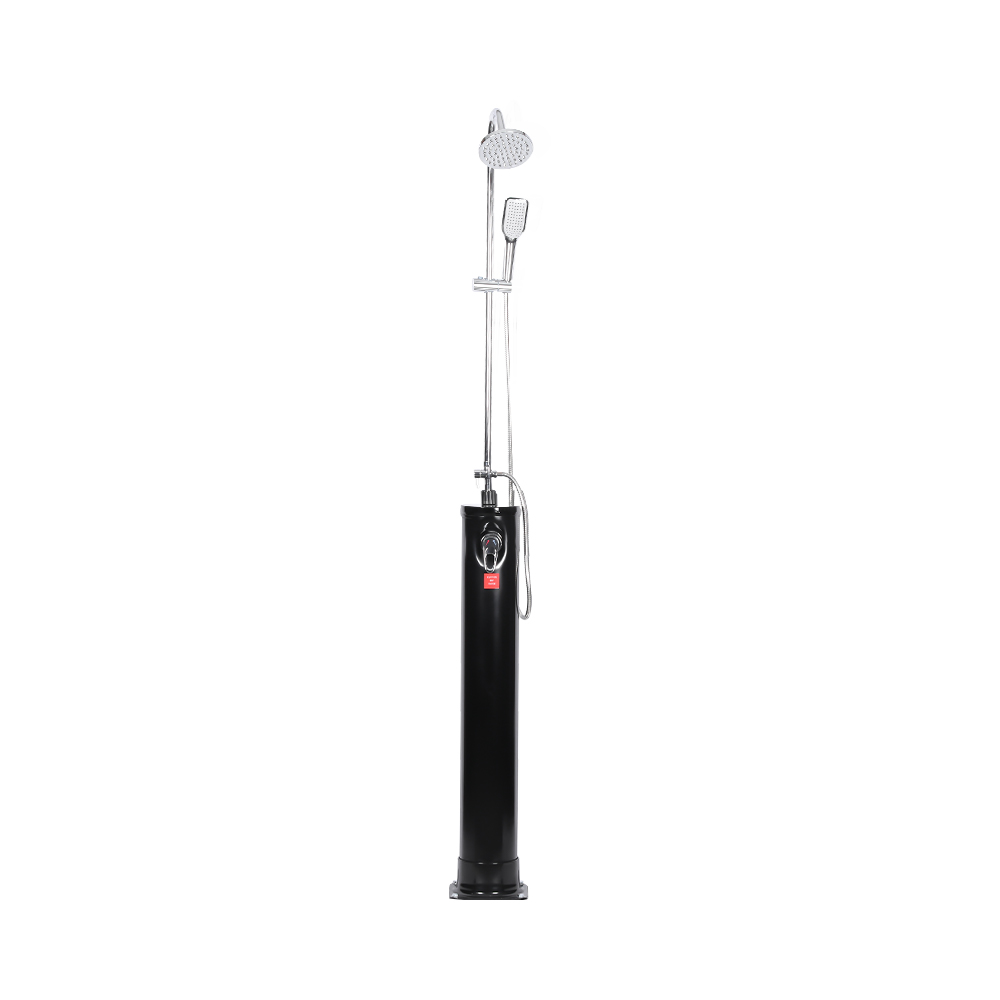
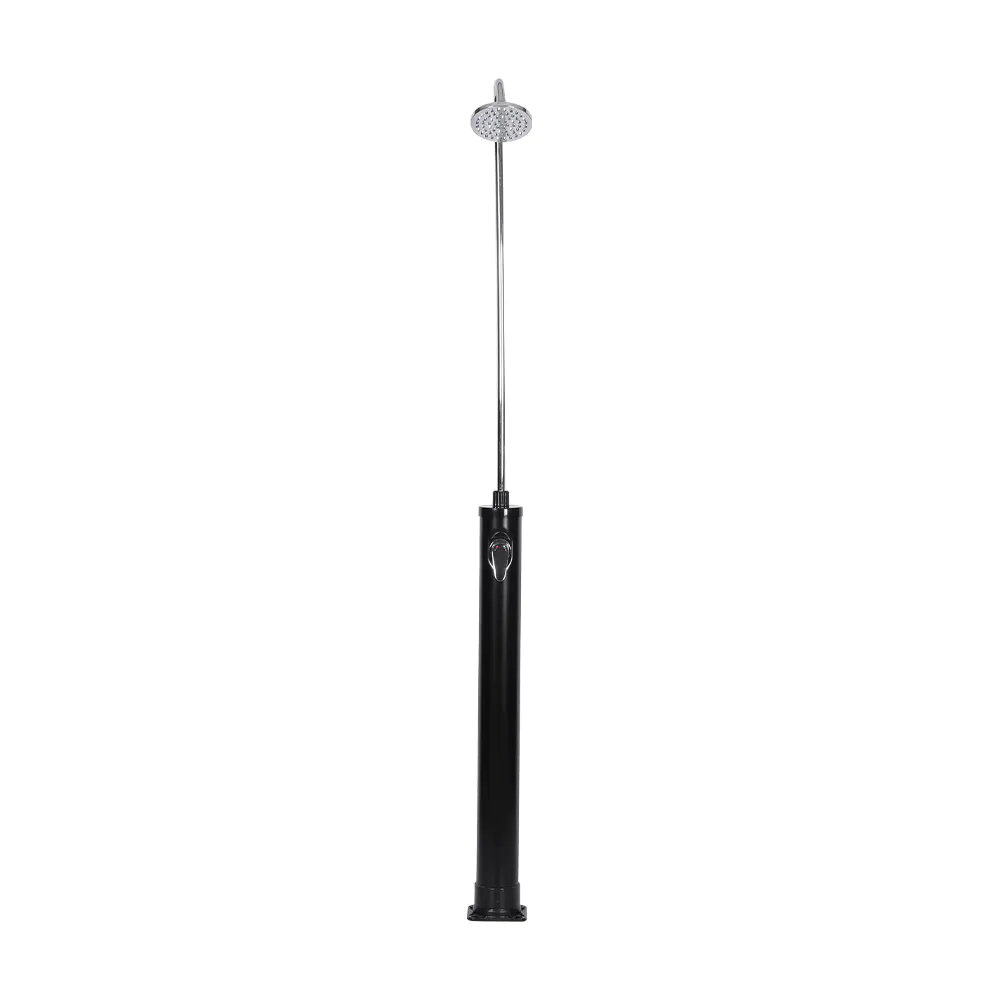
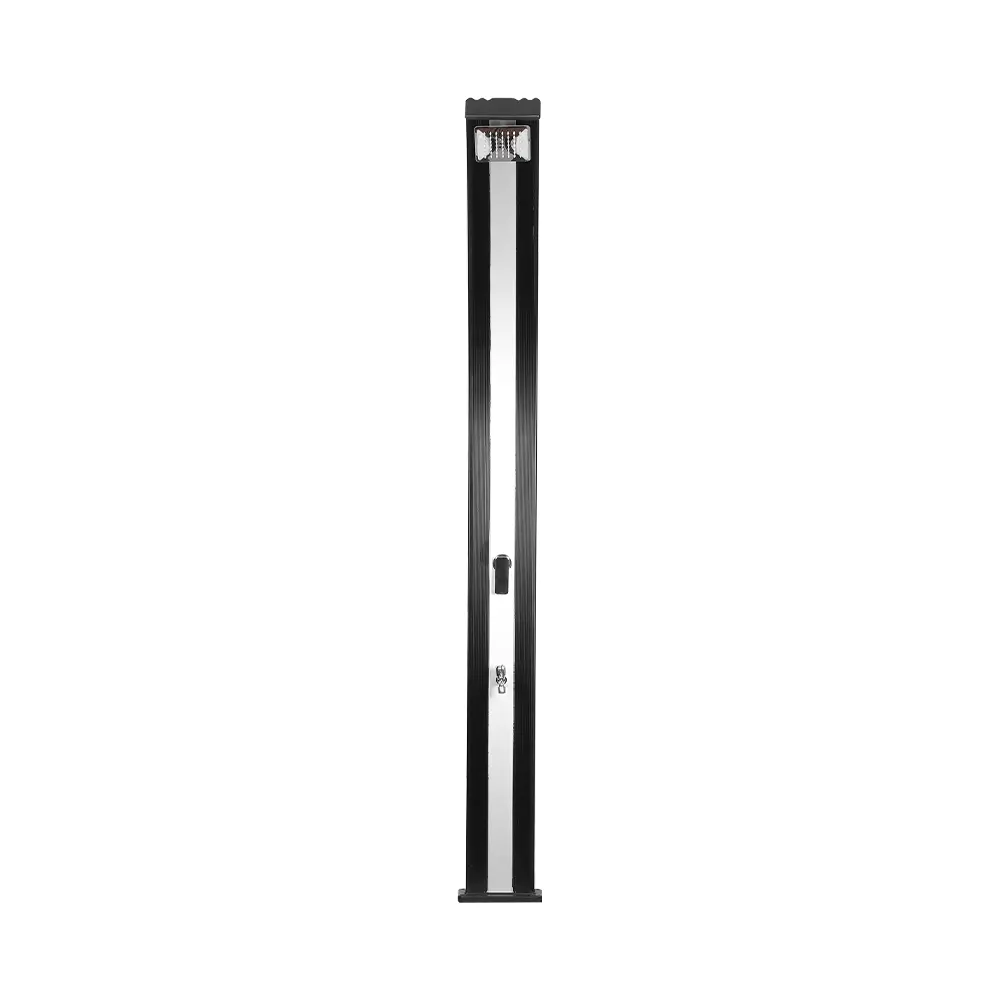
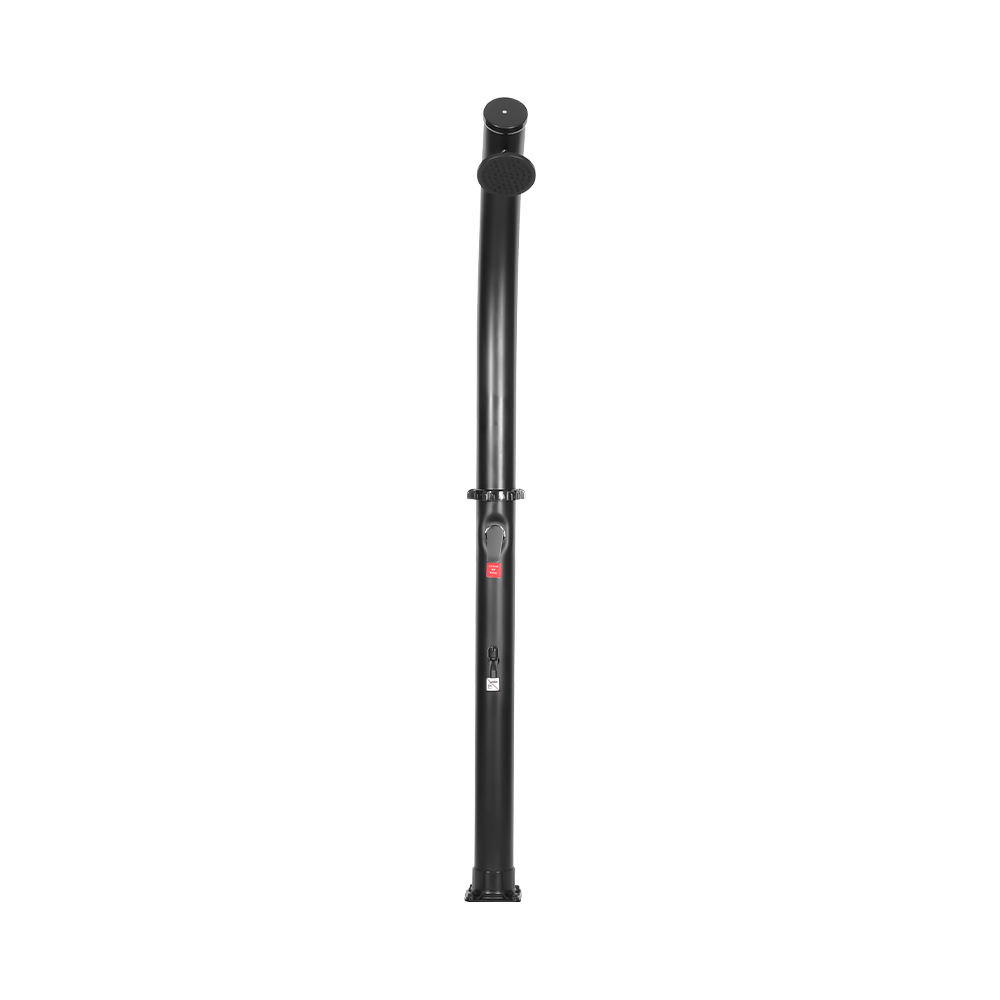
The required configuration can vary according to climate, tank capacity, inlet pressure, shower height, base structure, drainage conditions, user numbers, and exposure to salt air.
Product selection should also consider whether the shower will be used beside a private pool, public beach area, campsite, garden, holiday property, surf facility, or outdoor changing area.
Information to Confirm
-
How Do You Maintain and Clean Your Solar Shower for Long-Term Use
Empty the Tank After Each Use Maintaining the cleanliness and functionality of your solar shower is ...
-
Comprehensive Guide to Solar Showers: From Portable Bags to Luxury Poolside Units
Introduction to Solar Showers What is a Solar Shower? A solar shower is an innovative and environmen...
-
How to Choose the Perfect 8L Solar Shower for Beach, Pool & Garden Use
Benefits of Using an 8L Solar Shower at the Beach 1. Convenience and Portability for Beachgoers An 8...
-
The Ultimate Guide to 18L Solar Showers: Reviews, Tips, and How-To
Introduction to 18L Solar Showers In recent years, 18L solar showers have become a must-have item fo...
No.27, Fengshan Road, Hangfu Town, Kecheng District, Quzhou City, Zhejiang Province, China
(+86)-17888203192
 Wholesale Outdoor Solar Shower Factory