
 English
 Deutsch
 Español
 Français
Here You Can Get Our Latest Information
Industry News
Do Solar Showers Actually Work? What a PVC Manufacturer's Testing Data Shows
Industry News · Manufacturing Insight
A production-floor look at material selection, wall-thickness control, pressure testing, and long-term performance for outdoor water heating systems built from PVC.
Most articles about pvc solar shower systems focus on assembly steps for a backyard or campsite. Far fewer explain what happens before the product ever reaches a customer — the compound formulation, the extrusion tolerances, the pressure testing, and the batch-to-batch consistency checks that separate a unit that performs reliably for years from one that cracks after a single summer. As a manufacturer producing outdoor water-handling products at scale, we see the full lifecycle of these units: raw resin intake, compounding, extrusion, fitting assembly, water-tightness testing, UV exposure simulation, and final packaging. This section walks through that process in detail, and explains why the manufacturing stage — not just the final design — determines whether a solar shower performs the way buyers expect.
A finished unit looks simple: a length of pipe, a few fittings, a valve, and a shower head. But the performance gap between a well-made unit and a poorly made one is significant. Wall thickness variance of even half a millimeter changes how a pipe expands under thermal load. Resin batches without adequate UV stabilizer package degrade within a single season of direct sun exposure. Fittings bonded with insufficient solvent cement dwell time fail under pressure cycling long before the pipe itself shows any wear. None of this is visible to a buyer looking at a finished product photo — it only becomes apparent in use, which is exactly why manufacturing discipline matters more than marketing copy.
Core Advantages of Factory-Grade PVC Solar Shower Systems
Not all pipe used in outdoor water products is the same. Grade, additive package, and processing method all affect the finished unit's durability. The four factors below are the ones our production team monitors most closely when manufacturing components for a pvc pipe solar shower line.
Technical Specification Comparison
Buyers researching a diy solar shower pvc project often ask how different pipe diameters and grades compare on the specifications that actually affect performance. The table below lists working pressure, UV resistance rating, and recommended use case across the diameter ranges most commonly used in outdoor shower and rinse systems.
| Pipe Diameter | Wall Thickness | Working Pressure | UV Resistance Rating | Recommended Use |
| 20mm | 1.6mm | 0.6 MPa | Grade B | Portable / travel units |
| 25mm | 1.9mm | 0.8 MPa | Grade B+ | Campsite and garden systems |
| 32mm | 2.4mm | 1.0 MPa | Grade A | Fixed installation, multi-panel |
| 40mm | 3.0mm | 1.25 MPa | Grade A | High-volume, extended use |
UV resistance grading reflects internal accelerated-aging test results and is not an industry-wide certification standard; figures above are representative of production output rather than a single fixed guarantee.
Step-by-Step Production Process for a solar shower pvc Unit
The path from raw material to finished product follows a fixed sequence on the production floor. Understanding this sequence explains why manufacturing quality varies so widely between suppliers, and what to look for when evaluating a finished unit.
Where diy pvc solar shower Systems Are Actually Used
The application range for these systems is broader than the typical camping-focused framing suggests. Production volume across our order history shows demand concentrated across several distinct use cases, each with slightly different performance requirements.
Do Solar Showers Actually Work? An Engineering Perspective
From a production and testing standpoint, the answer depends on three measurable variables rather than a simple yes or no. First, solar gain — the amount of usable sunlight reaching the pipe surface over a given period. Second, thermal mass — the volume of water relative to the surface area of pipe exposed to sunlight, which determines how quickly that volume heats. Third, heat retention — how much of the gained heat is lost to ambient air temperature and wind before the water is actually used.
In internal testing under direct sun exposure of six to eight hours, water temperature in a correctly sized system typically rises from ambient to a usable range suitable for rinsing or bathing. The rate of increase is not linear — the first hour of exposure produces a smaller temperature gain than the middle hours of peak sun, and gains taper again as the sun angle drops later in the day. This is why pipe diameter and total exposed length matter more to real-world performance than most marketing descriptions suggest: a longer, thinner pipe run heats faster per liter than a short, wide one, but holds less total volume.
Overcast conditions, high wind, and low ambient temperature all reduce performance, sometimes significantly. A system that performs well in direct summer sun in a warm climate will underperform in the same setup during a cooler or cloudier season. This is a physical limitation of any solar-gain water heating method, not a defect specific to any particular product, and it's a distinction worth understanding before setting expectations for a given installation.
How Long Does a Solar Shower Last? Factory Testing Standards
Service life is determined largely by two factors evaluated during production: the UV stabilizer package in the compound, and the quality of the solvent-welded joints. To estimate expected lifespan before a product ever ships, production batches are subjected to accelerated aging tests — extended exposure to concentrated UV output combined with heat cycling designed to simulate months of outdoor use within a compressed test window.
| Material Grade | UV Stabilizer Package | Accelerated Test Result | Estimated Field Life |
| Standard Compound | Basic | Surface chalking after simulated 8-month exposure | 1–2 seasons |
| Enhanced Compound | Mid-level UV package | Minimal surface change after simulated 18-month exposure | 2–4 seasons |
| Production-Grade Compound | Full UV stabilizer package | No measurable degradation after simulated 30-month exposure | 4+ seasons |
Joint integrity is tested separately through repeated pressure cycling — filling, pressurizing, draining, and refilling a unit hundreds of times to simulate years of on/off use. Joints bonded with correct solvent cement dwell time consistently outperform those bonded too quickly, which is one of the clearest ways manufacturing process directly affects the number stamped on a warranty card.
Production Quality Snapshot
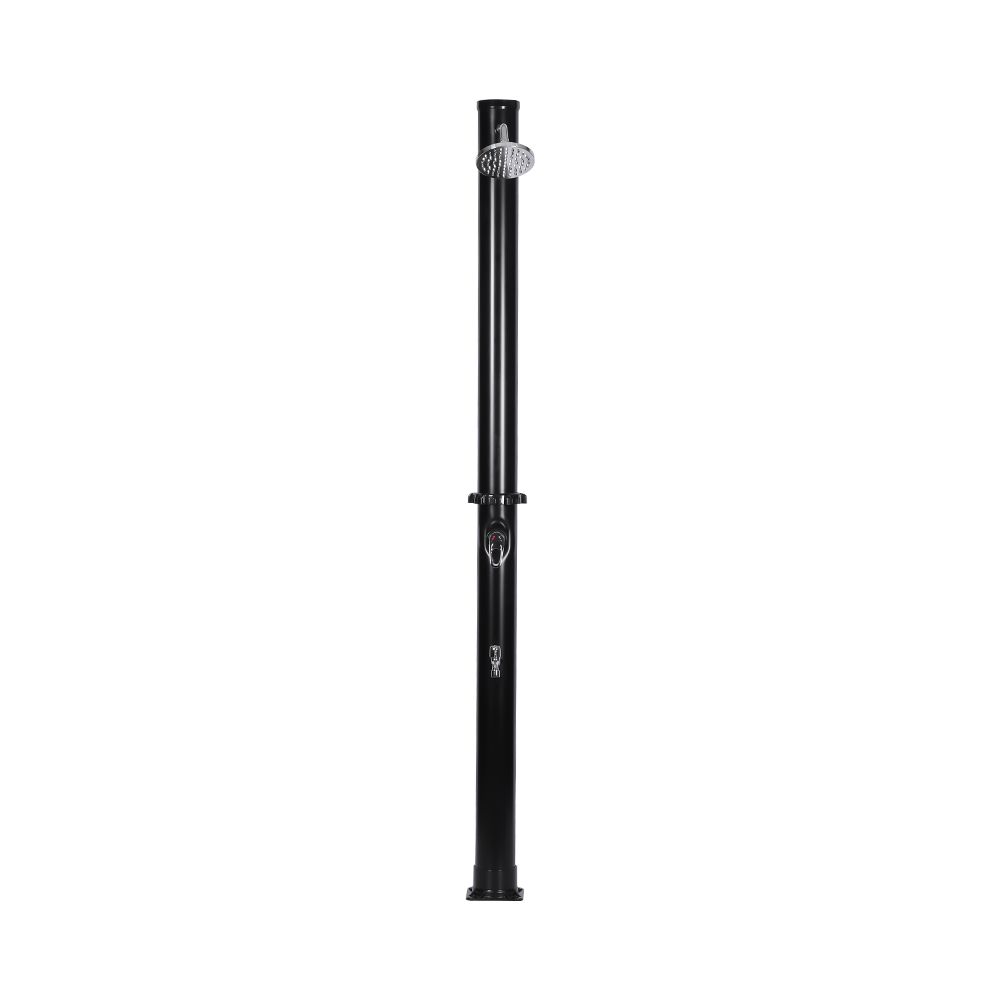
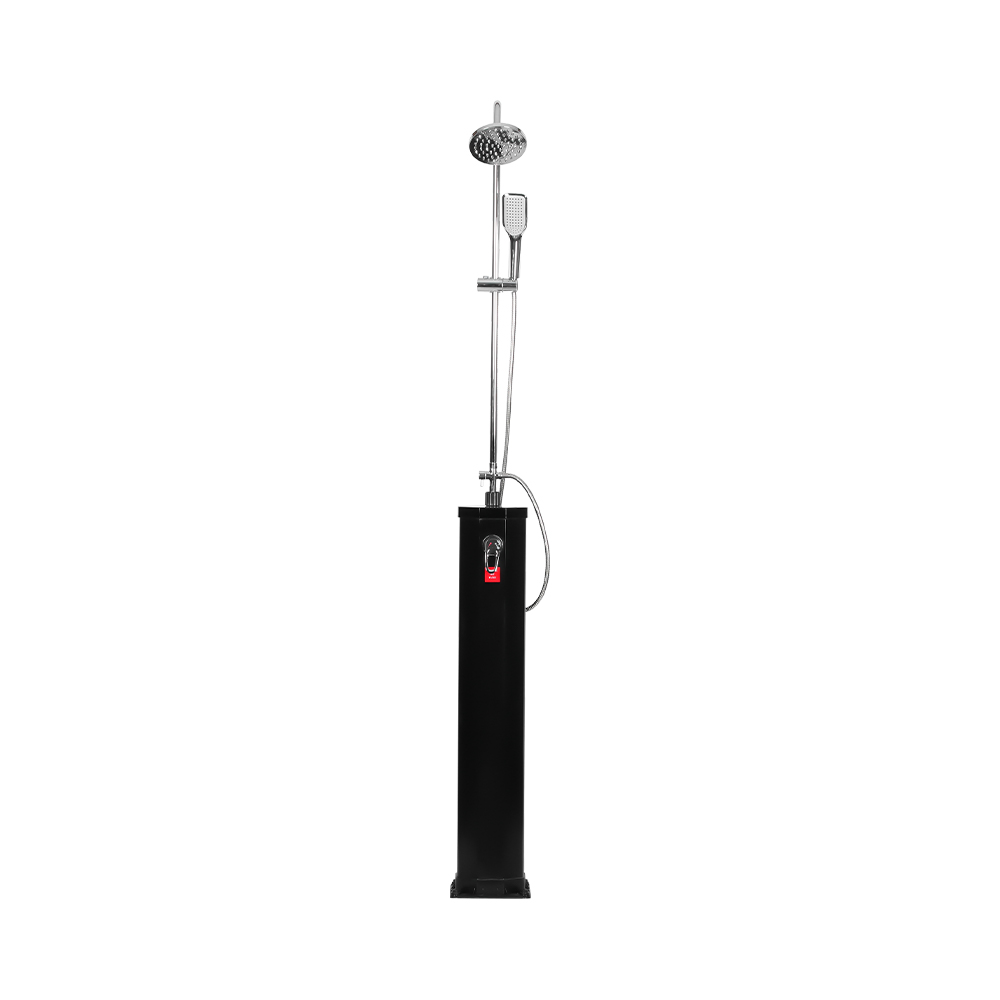
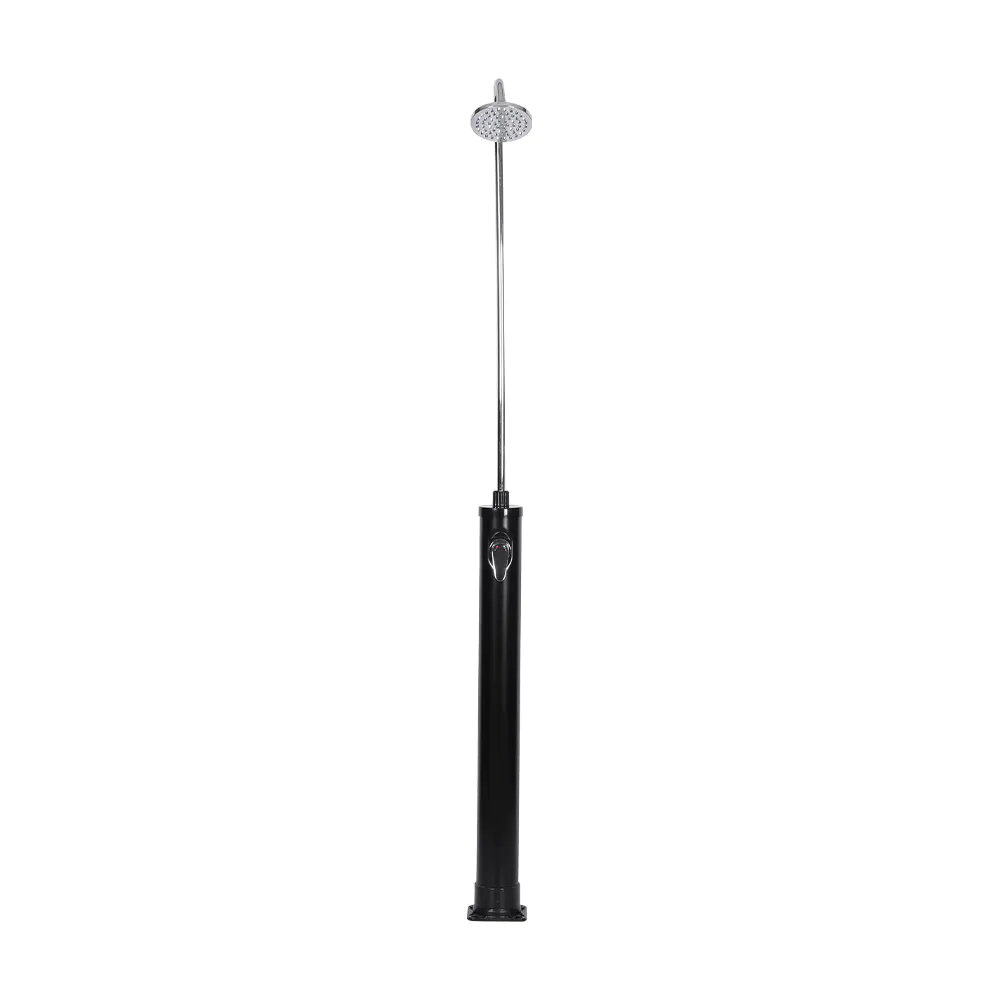
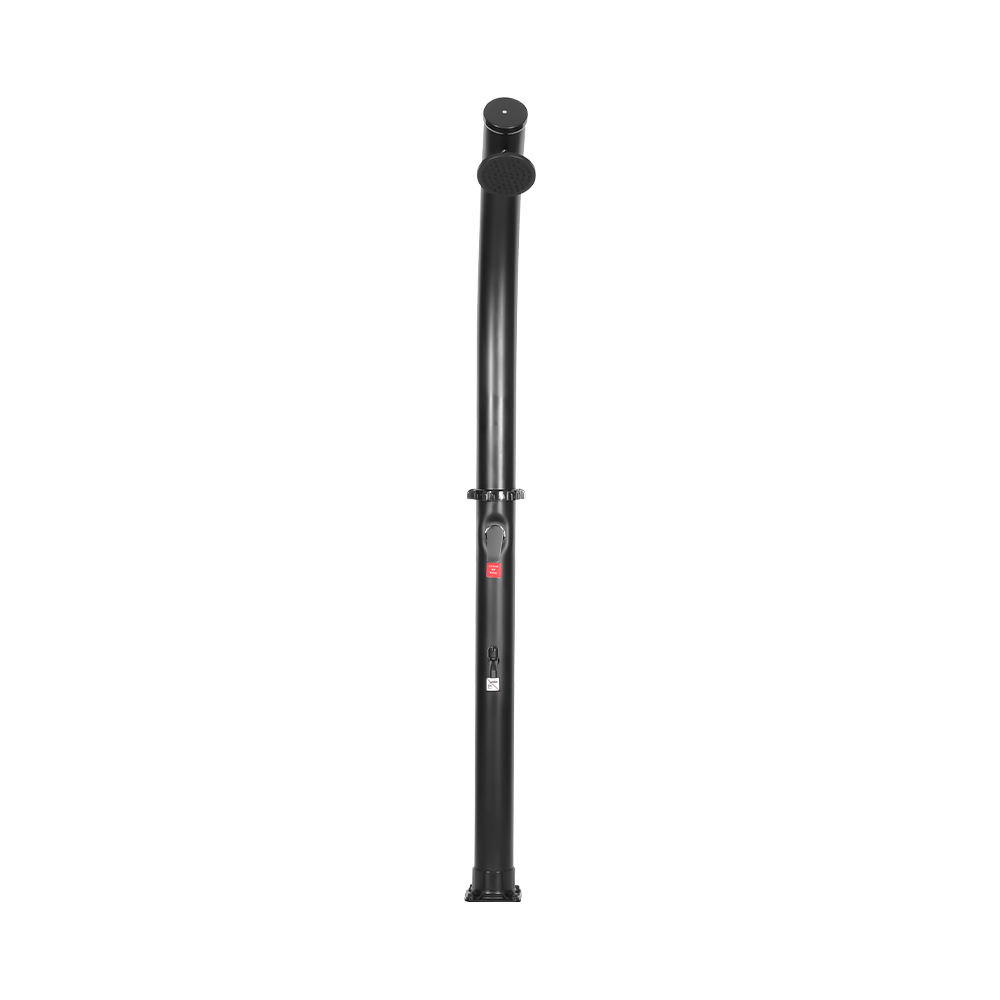
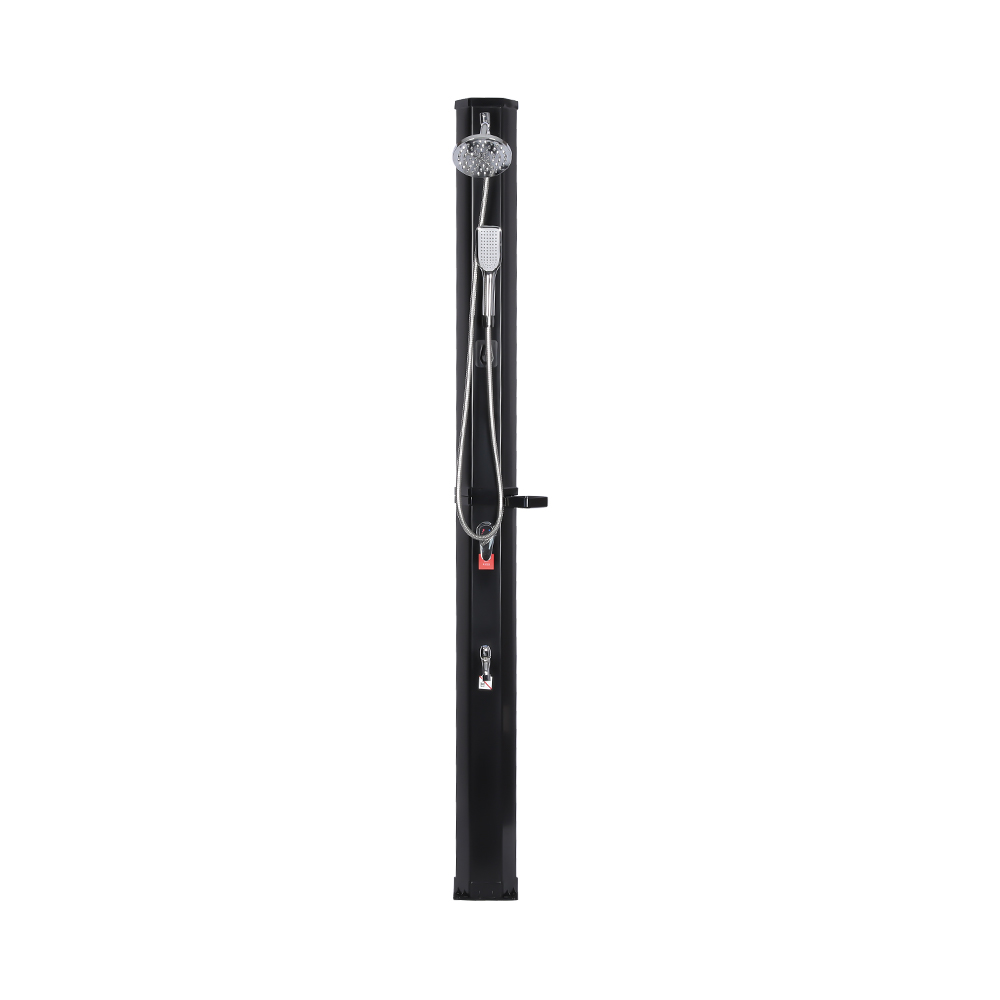
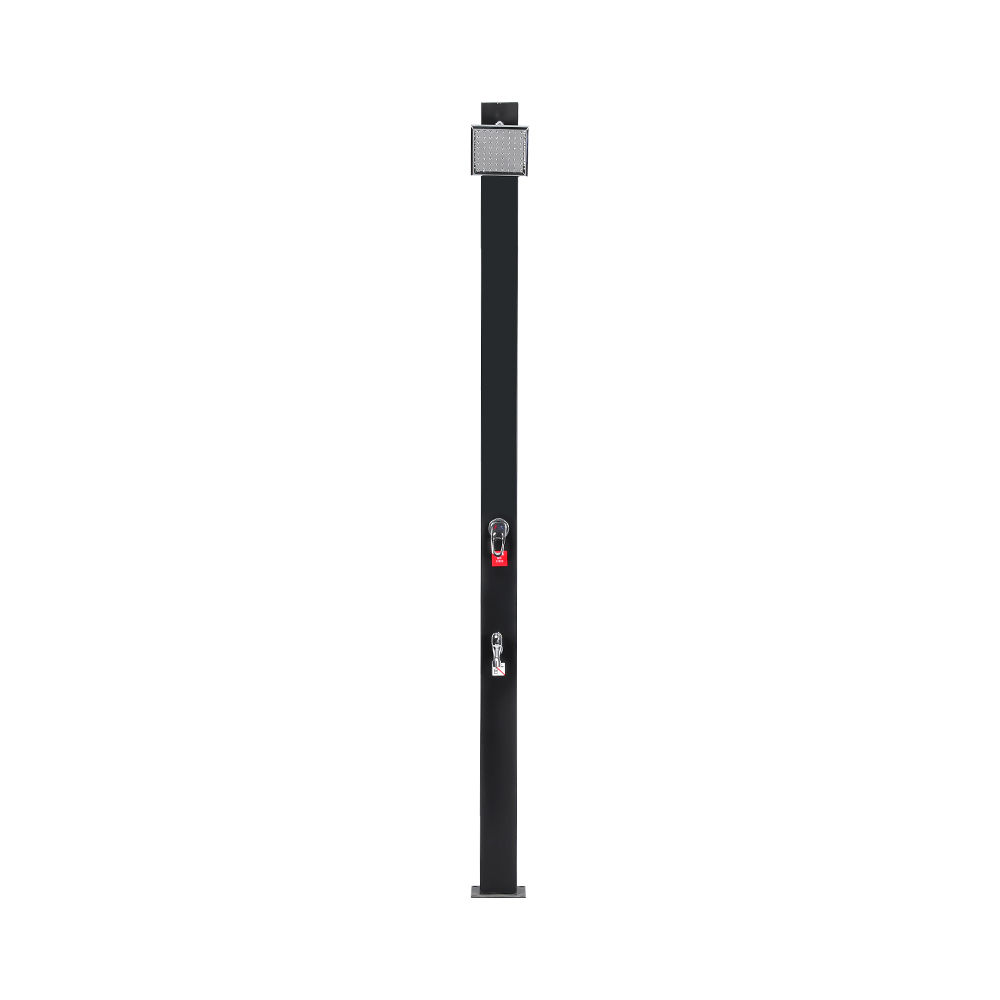
Every stage described above — compound selection, extrusion tolerance, joint bonding, pressure testing, and accelerated aging validation — feeds into a single outcome on the shelf: a finished unit that performs consistently in the field rather than only in a product photo. Whether the end use is a portable travel unit, a fixed garden installation, or a higher-capacity system for a working facility, the manufacturing process behind a pvc solar shower determines far more about its real-world performance than the diameter or color printed on the box.
-
How Do You Maintain and Clean Your Solar Shower for Long-Term Use
Empty the Tank After Each Use Maintaining the cleanliness and functionality of your solar shower is ...
-
Comprehensive Guide to Solar Showers: From Portable Bags to Luxury Poolside Units
Introduction to Solar Showers What is a Solar Shower? A solar shower is an innovative and environmen...
-
How to Choose the Perfect 8L Solar Shower for Beach, Pool & Garden Use
Benefits of Using an 8L Solar Shower at the Beach 1. Convenience and Portability for Beachgoers An 8...
-
The Ultimate Guide to 18L Solar Showers: Reviews, Tips, and How-To
Introduction to 18L Solar Showers In recent years, 18L solar showers have become a must-have item fo...
No.27, Fengshan Road, Hangfu Town, Kecheng District, Quzhou City, Zhejiang Province, China
(+86)-17888203192
 Wholesale Outdoor Solar Shower Factory