
 English
 Deutsch
 Español
 Français
Do Outdoor Solar Showers Work? Performance, Limits & Buying Tips
Picture this: a hot summer afternoon, a freshly cleaned pool, and a child who needs a rinse before heading indoors. This is the moment an outdoor solar shower is built for — and the moment owners start asking whether the technology truly works. As a manufacturer with more than 15 years of experience building solar showers, our short answer is yes: outdoor solar showers work, provided you match the unit to your water needs, place it in genuine sunlight, and keep expectations aligned with what passive solar heating can realistically do. Below, we explain what “work” means, how the heating works, what decides performance, and how to choose.
What Does “Work” Really Mean for a Solar Shower?
Before judging any solar shower, you need a fair test. A unit “works” when it delivers water warm enough for a comfortable outdoor rinse — generally 35–45°C (95–113°F) — after several hours of direct sun. In summer, with strong sunlight and ambient temperatures around 25–30°C, most well-built units reach the upper half of that range, and independent user measurements have recorded afternoon water temperatures near 50°C (122°F) inside dark absorber tanks.
The critical distinction is between a rinse and a soak. A solar shower is designed to remove chlorine, salt, sweat, sand, and mud, not to supply unlimited steaming water for a bath. If your goal is a pleasant, warm rinse after outdoor activity, a solar shower will meet it. If you expect hot water on demand regardless of weather, it will not.
Setting this expectation matters. Measured against its real design purpose — warm rinse water at zero electricity cost — the technology performs consistently.
How a Solar Shower Actually Heats Water
The working principle is simple, though often misunderstood. The dark surface of the water tank absorbs solar radiation and converts it into heat, which transfers through the tank wall into the water inside. Because warm water is lighter than cold water, heated water rises to the top while cooler water sinks to the bottom, where it is warmed in turn. This natural circulation — the thermosiphon effect — continues until the water reaches a balance with the surrounding conditions. The warmest water collects at the top, exactly where the outlet to the showerhead sits.
Passive vs. Active Systems
Passive systems rely entirely on natural circulation, with no pump or electrical parts — simple, durable, and the standard design for poolside columns and portable units. Under clear summer sun, a passive unit typically needs 4–6 hours to heat a full tank.
Active systems use a small pump to circulate water through a separate solar collector, shortening heating time to roughly 2–3 hours. These are less common in freestanding outdoor showers and usually unnecessary for residential rinse-off use.
Why Materials Matter
The tank material, wall thickness, and absorber coating determine how much heat the water gains and how long it stays warm. Two visually similar columns can perform very differently because of these hidden details, which is why build quality matters more than cosmetic appearance.
The 4 Biggest Factors That Decide Whether Yours Will Work
Why do some owners love their solar shower while others call it useless? Usually, one of four factors is the culprit.
1. Sun Exposure
A solar shower needs direct sunlight, not just daylight. Plan for at least 4–6 hours of unobstructed sun per day. In the northern hemisphere, face the unit south for the longest, strongest exposure. Because shadows from fences, trees, and buildings can slash performance dramatically, watch your chosen spot through the day before finalizing the installation.
2. Capacity vs. Your Water Usage
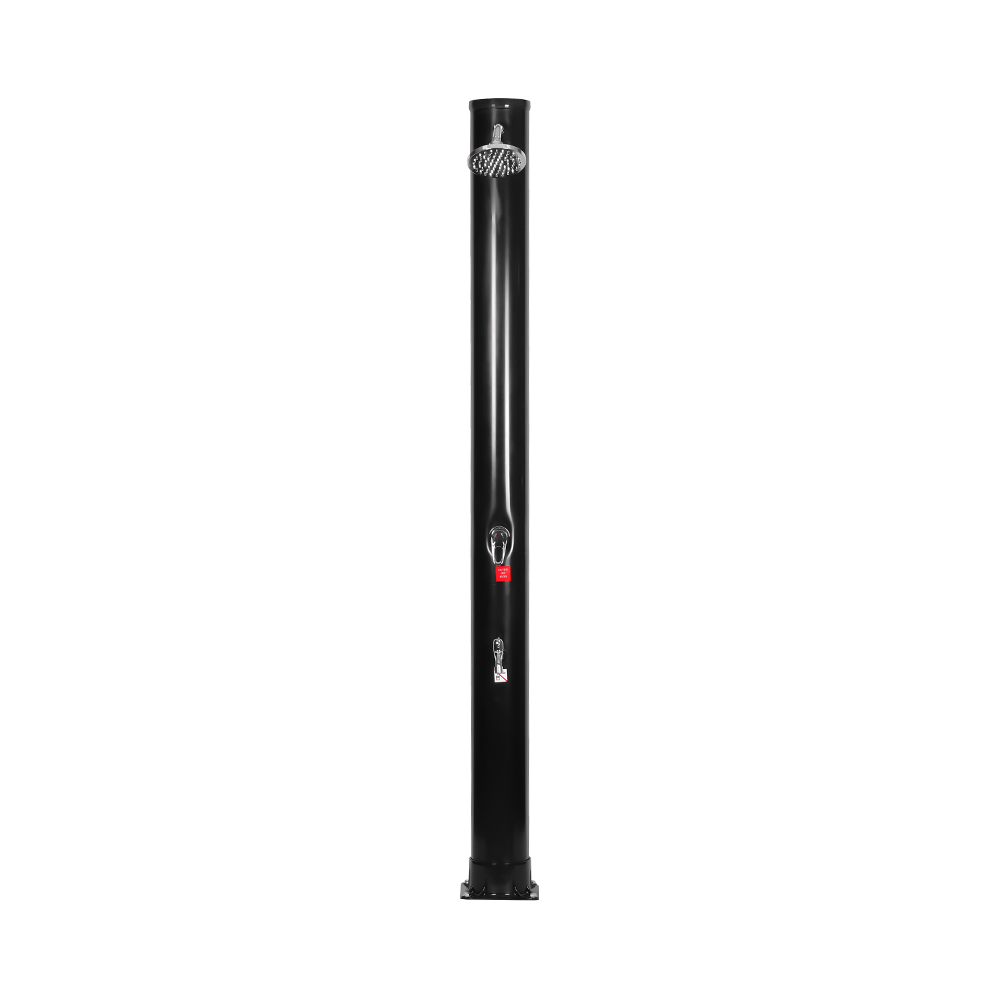
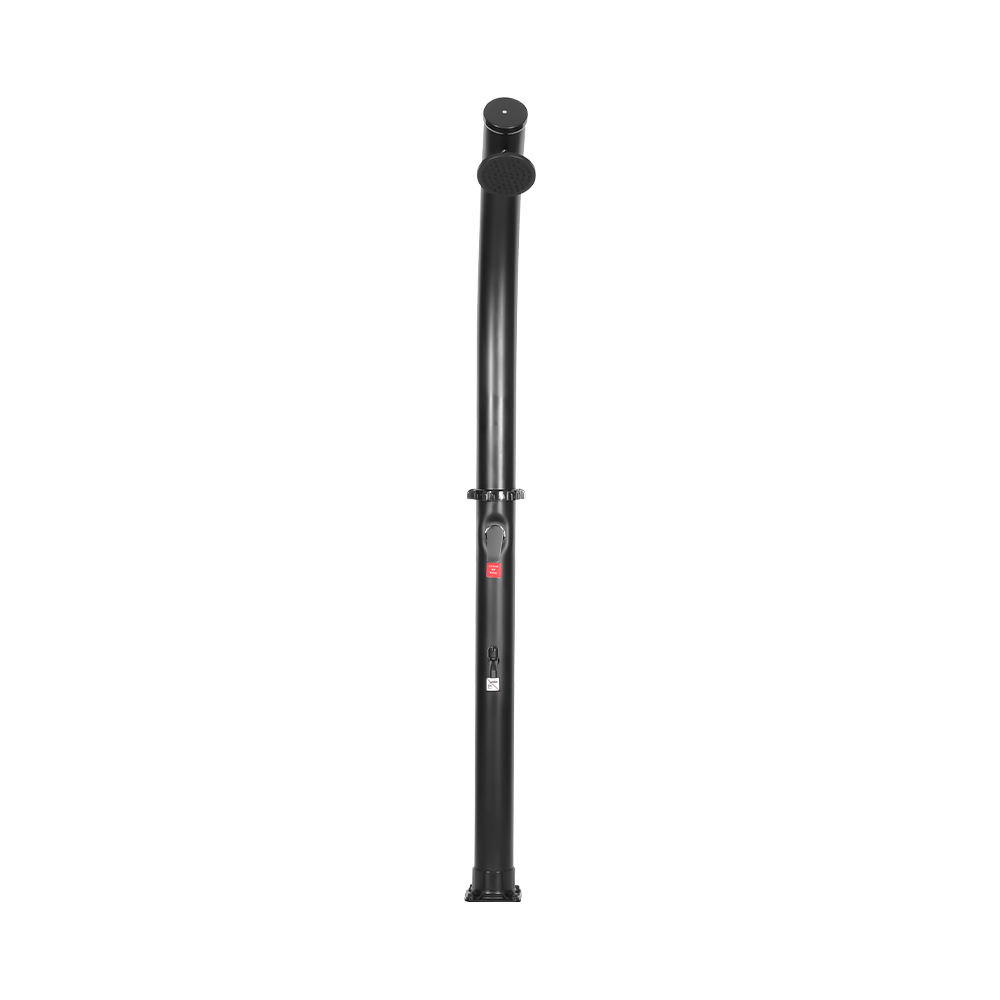
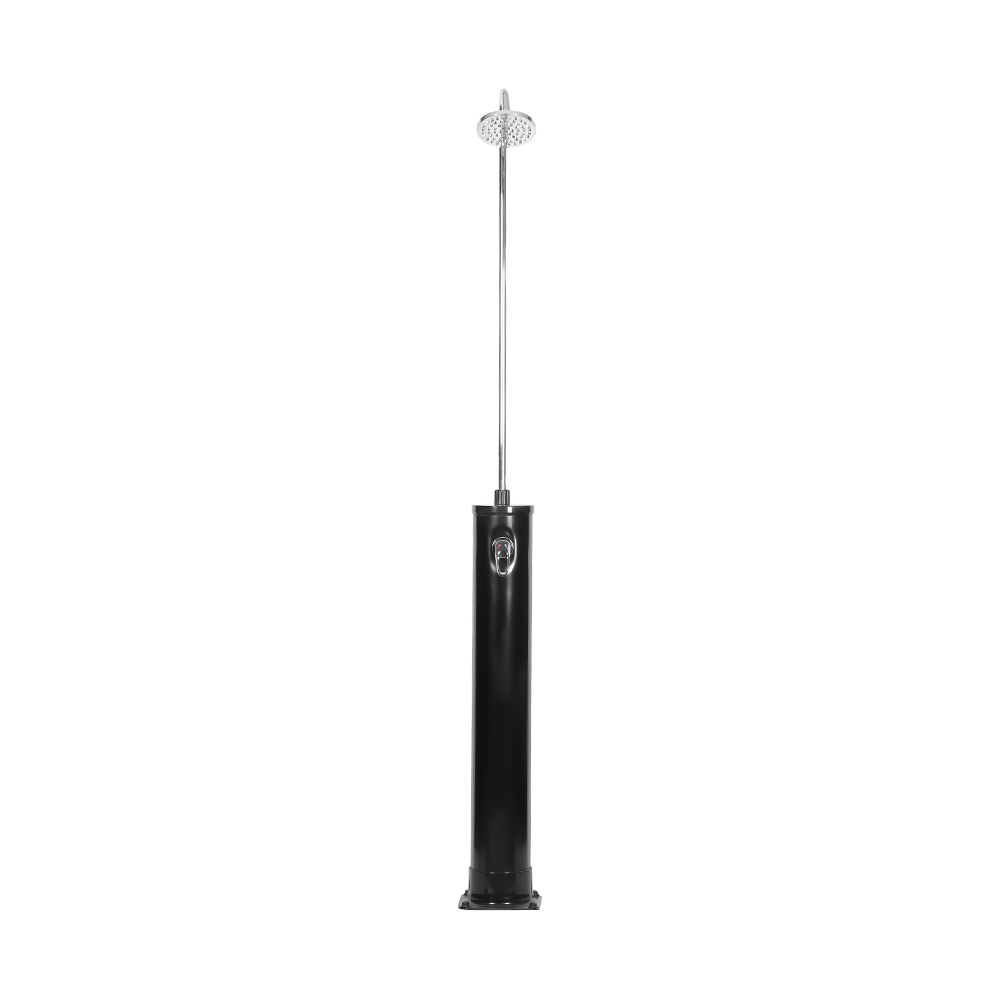
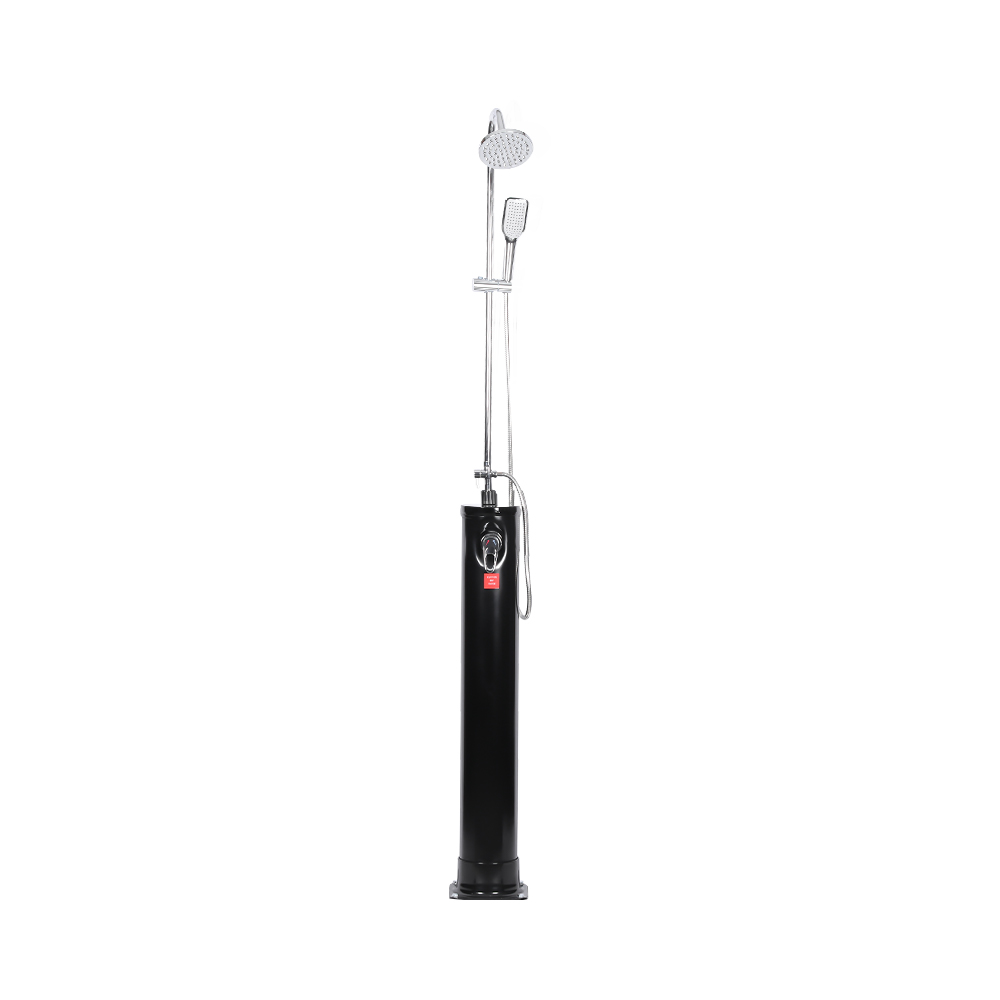
Heating a larger volume of water requires more energy, so bigger tanks take longer to heat. An 8L column suits a single person's quick rinse, an 18L unit covers two or three poolside rinses, a 30–35L unit handles a small family, and a 60L unit supports high-use scenarios. As a rule, choose the smallest capacity that covers your peak use — it will heat faster and waste less water. For most poolside and garden setups, 18L solar showers for poolside and garden use offer the most practical balance of heat time and water volume.
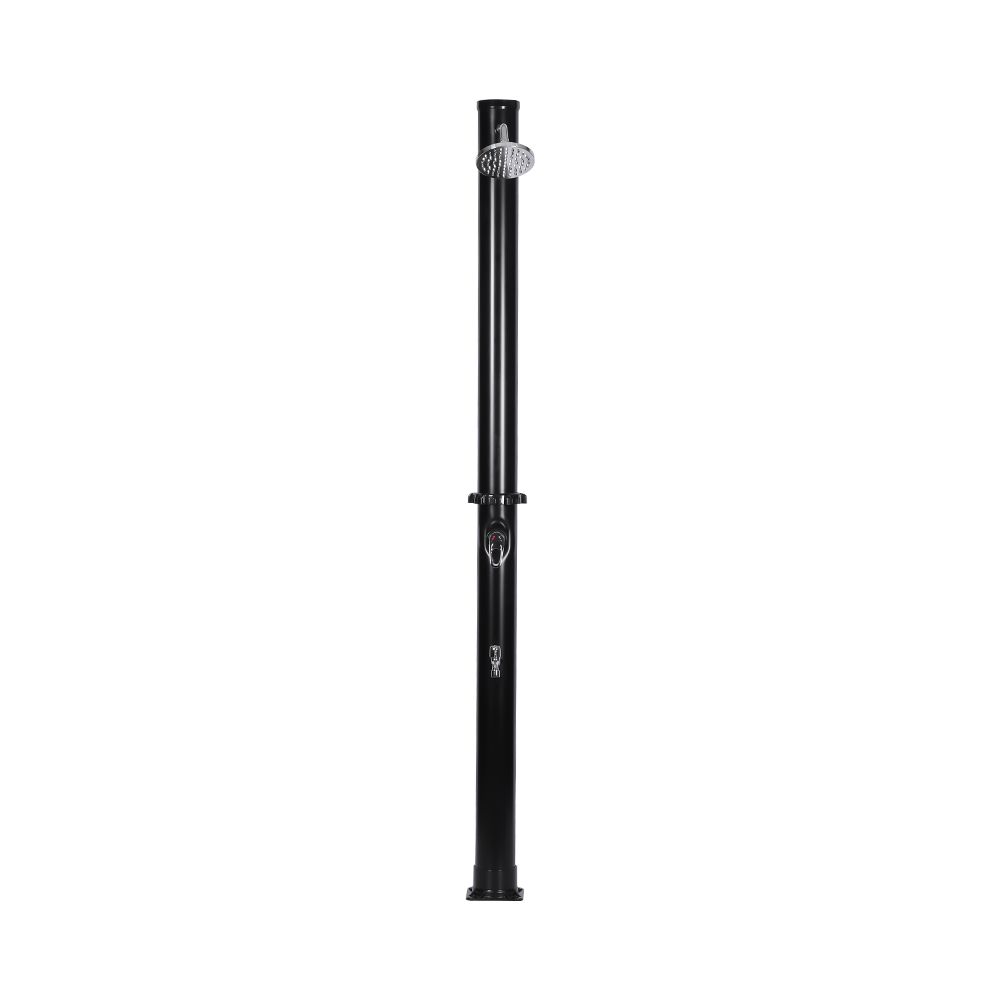 18L Curved PVC Solar Shower Manufacturers, FactoryHaihong Electrical Equipment Co.,Ltd. is China 18L Solar Shower Manufacturers and 18L Curved PVC Solar Shower Factory, offer Wholesale 18...View Product →
3. Ambient Temperature and Season
Sunshine alone is not enough. Ambient temperature controls how quickly water retains or releases heat. On warm summer days (25–35°C), a small-to-medium unit delivers comfortable rinsing water in 3–5 hours. In spring and autumn, expect longer heating times and lower peak temperatures. In cold winters, a passive solar shower will not produce comfortable hot water consistently. That is an honest limitation of solar thermal energy — the same physics that makes the unit dependable in July makes it unreliable in January.
4. Material and Build Quality
Build quality decides how long the unit performs. PVC is lightweight and inexpensive, with acceptable heat retention, but its UV resistance is limited unless the material is stabilized. ABS is stronger and handles intense sunlight far better. Aluminum and stainless steel combine durability, heat conduction, and appearance more effectively than polymers, which is why larger and premium columns use them.
In our factory, the details that decide real-world performance are the darkness and thickness of the absorber surface, the quality of welds and gaskets, drainage and anti-water-accumulation design, and the durability of the showerhead. These details are not visible in a photo, but they determine whether a shower still heats water reliably in its fifth year of outdoor use.
Realistic Expectations: What It Can and Can't Do
Here are the figures that matter for daily use:
- Heating time. In full summer sun, allow 3–5 hours to bring an 18L tank from tap temperature to roughly 35–40°C. Larger tanks need more time; 35L units typically require 4–6 hours. Fill in the morning and shower in the late afternoon.
- Shower duration. An 18L tank provides roughly 5–8 minutes of flow; a 35L tank provides 10–15 minutes. When the tank empties, you refill and wait for the next heating cycle.
- Running cost. A passive solar shower uses no electricity and no plumbing; once installed, it costs nothing to operate.
- Evening warmth. A well-insulated unit holds usable warmth for a few hours after sunset.
- Limits. No solar shower supplies unlimited hot water on demand, and none performs well in overcast or cold conditions. Treat it as a supplement for outdoor rinsing, not a replacement for your water heater.
| Capacity | Typical Use | Approx. Heating Time (Full Sun) | Approx. Shower Duration |
|---|---|---|---|
| 8L | Single person, beach/camping | 2–3 hours | 3–5 minutes |
| 18L | 1–2 people, poolside/garden | 3–5 hours | 5–8 minutes |
| 30L | 2–3 people, garden/pool | 4–6 hours | 8–12 minutes |
| 35L | 2–4 people, family | 4–6 hours | 10–15 minutes |
| 60L | 4+ people, high use | 6–8 hours | 15–20 minutes |
These figures assume clear skies and direct sun; results will vary with location, season, and build quality.
Practical Tips to Get the Most From Your Solar Shower
Even an entry-level unit performs well when used correctly. Follow these practices to improve heat output and extend the product's life:
- Fill the tank in the morning so the water is exposed to sun all day.
- Place the unit in a south-facing, unshaded spot close to where you will use it.
- Keep the dark absorber surface clean; dust and pollen noticeably reduce heat absorption.
- On hot days, test the water with your hand before stepping under the showerhead — the tank top can get very hot after long exposure.
- Stand the unit on a stable, level surface. On grass or soft ground, choose secure solar shower base options
 Wholesale Solar Shower Base Manufacturers, FactoryHaihong Electrical Equipment Co.,Ltd. is China Solar Shower Base Manufacturers and Factory, Provides Wholesale Solar Shower Base for outd...View Product → to prevent tipping and reduce stress on the frame and water connections.
 - Before winter, drain the tank completely and store the unit indoors if possible; freezing water can crack the tank.
- If your model has a single-lever or mixing-valve control, use it to blend hot and cold water for a comfortable temperature without waiting for the tank to cool.
How to Choose a Solar Shower That Will Actually Work for You
Work through this sequence to narrow down the right model.
Match Capacity to Your Scenario
- Solo beach or camping trips: a portable unit from our 8L solar shower collection is light, easy to fill, and enough for a quick rinse.
- Two people, poolside or garden: an 18L unit offers a solid balance of heat time and usable water.
- Family or multi-purpose use: look for 35L solar showers with specialized features for family use
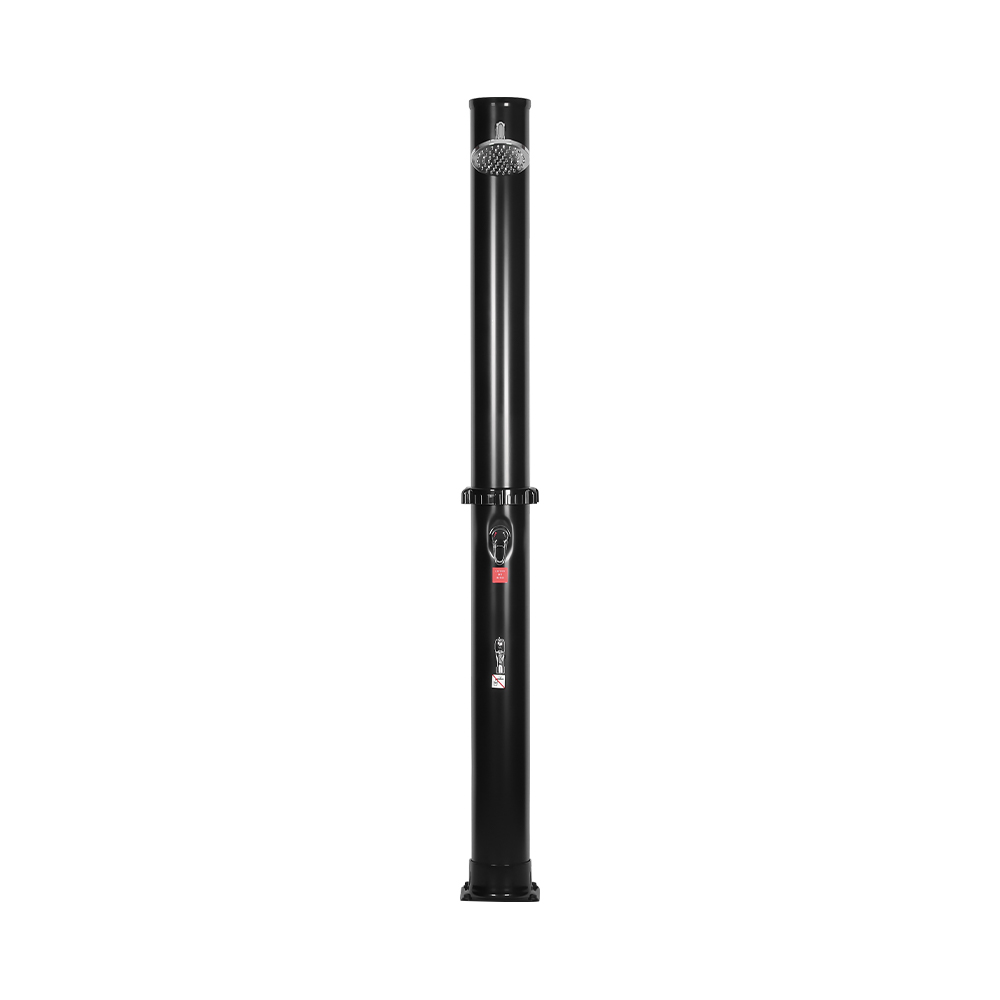 Wholesale 35L Spa Solar Shower Manufacturers, FactoryHaihong Electrical Equipment Co.,Ltd. is China 35L Capacity Solar Shower Manufacturers and 35L Spa Solar Shower Factory, offer Wholesale ...View Product →, such as UV-resistant housings and anti-water-accumulation designs.
 - Group events or heavy daily use: a 60L unit with an extra-large rain shower head provides longer flow and faster recovery between uses.
Choose Material by Climate
- Mild climates: PVC is economical and adequate.
- Intense sun and heat: ABS resists UV degradation far better than stabilized PVC.
- Year-round outdoor exposure: aluminum and stainless steel offer superior longevity and heat transfer.
Inspect the Design Details
- Seals and welds that prevent leaks and water pooling.
- UV protection on the outer shell and absorber surface.
- Anti-water-accumulation features that keep the column clean and odor-free.
- Adjustable showerhead height and base stability for your intended ground surface.
Conclusion: Do Outdoor Solar Showers Work? Our Verdict as a Manufacturer
After more than 15 years of producing solar showers for export markets, our verdict is clear: yes, outdoor solar showers work when the use case matches the technology.
They are excellent for poolside rinsing to keep chlorine and salt out of the house, garden showers after planting and cleaning, beach and camping rinses, and post-sport rinses in warm weather. They deliver genuinely warm water in summer, cost nothing to run, and need no plumbing. They are not a substitute for an indoor water heater. In cloudy weeks, cool seasons, or high-volume daily use, a passive solar shower will underperform — that is not a product defect but the nature of solar thermal heating.
Choose the right capacity for the job, put the unit where the sun actually reaches it, and pay attention to seals, UV-resistant materials, and drainage when comparing products. Do that, and a solar shower is a reliable, low-cost addition to any outdoor space — one that will still be heating water years from now.
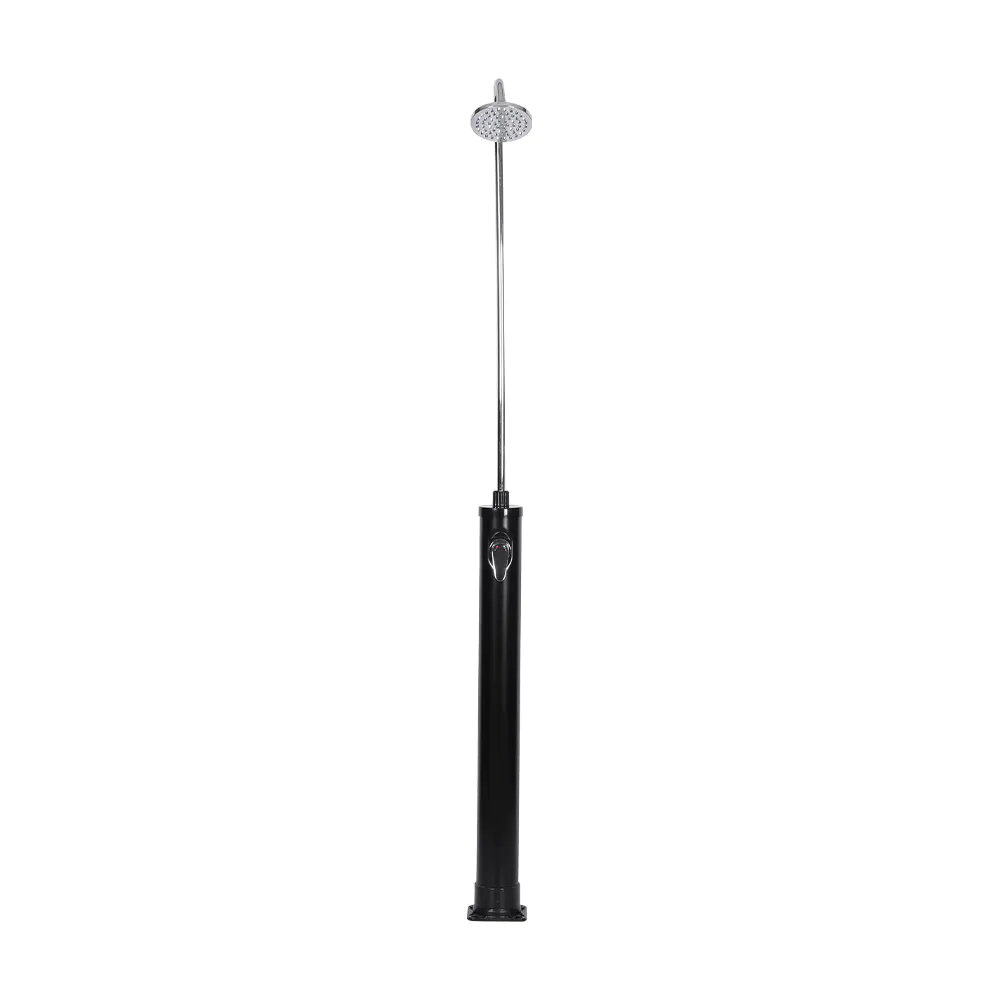

-
How Do You Maintain and Clean Your Solar Shower for Long-Term Use
Empty the Tank After Each Use Maintaining the cleanliness and functionality of your solar shower is ...
-
Comprehensive Guide to Solar Showers: From Portable Bags to Luxury Poolside Units
Introduction to Solar Showers What is a Solar Shower? A solar shower is an innovative and environmen...
-
How to Choose the Perfect 8L Solar Shower for Beach, Pool & Garden Use
Benefits of Using an 8L Solar Shower at the Beach 1. Convenience and Portability for Beachgoers An 8...
-
The Ultimate Guide to 18L Solar Showers: Reviews, Tips, and How-To
Introduction to 18L Solar Showers In recent years, 18L solar showers have become a must-have item fo...
No.27, Fengshan Road, Hangfu Town, Kecheng District, Quzhou City, Zhejiang Province, China
(+86)-17888203192
 Wholesale Outdoor Solar Shower Factory